If you’ve ever spent time tweaking your cleaning routine to protect delicate fabrics, you know how stressful it can be to test a new tool on that one piece of furniture you can’t replace. As someone who’s built a business designing and manufacturing wheeled carpet and upholstery cleaners—tools built for heavy use but engineered with precision to avoid damage—I get dozens of questions every week about chenille upholstery. The most common? “Can a wheeled carpet and upholstery cleaner be used on chenille without ruining it?” Wheeled Carpet and Upholstery Cleaner

The short answer isn’t a straight yes or no, but it’s a resounding “yes—if you use the right technique and the right settings.” Let’s break this down, because chenille is a unique fabric, and mishaps happen when you treat it like any other upholstery. I’ve seen it firsthand: a customer uses an over-powered cleaner, ignores the fabric’s tight pile structure, and ends up with matted fibers or water stains. That’s why we test every one of our cleaners against over 200 fabric types, including chenille, to make sure they work without causing harm.
First, let’s talk about what makes chenille so different. If you’ve run your hand over a chenille couch, you’ll notice that soft, plush, fuzzy texture that looks like tiny yarn tufts sticking up evenly from a base fabric. The name itself comes from the French word for “caterpillar,” which makes sense—run a finger along it and it feels like the soft, fuzzy back of one. That plush look comes from a manufacturing process where thousands of short yarn loops are cut, then sewn onto a backing fabric. It’s incredibly soft, durable in many cases, but those loose, cut loops are also its biggest vulnerability. Unlike a tightly woven cotton twill or a smooth microfiber, chenille’s fibers catch easily, matt together, and can be stretched or even pulled out completely if you’re too rough during cleaning. That’s why traditional steam cleaners with high-powered brushes are often warned against for chenille—their stiff brushes can snag those loose loops and leave permanent snags or bald spots.
Now, how do wheeled carpet and upholstery cleaners fit in here? Our cleaners are designed with adjustable suction and brush settings, plus a wheel-based design that lets you control pressure without pressing too hard. The key is two-fold: matching the machine’s power to chenille’s needs, and following a step-by-step process that protects the pile while still removing dirt, odors, and stains. Let’s start with the machine settings. I always recommend turning off the rotating brush entirely when cleaning chenille. Most people assume the brush is needed to lift dirt, but on delicate upholstery, especially chenille, that rotating bristle head is more likely to do harm than good. Instead, use the suction-only mode. The wheels on our cleaners aren’t just for convenience—they let you glide the machine over the fabric without pressing down with your body weight, which is a common mistake people make when using upright carpet cleaners on upholstery. Pressure is the biggest culprit here; even a light press with a stiff brush can mat chenille’s fibers together, turning that plush texture flat and dull.
Next, the cleaning solution is just as important as the machine. I see people reach for strong, commercial-grade carpet cleaner to get tough stains out, but chenille reacts poorly to harsh chemicals. The pH level of your solution matters a lot here—chenille is a protein-based fabric, so it’s sensitive to both overly acidic and overly alkaline cleaners. We design our in-line cleaning formula for our wheeled cleaners to balance effectiveness with fabric safety; it’s pH-neutral, so it won’t discolor chenille, break down the fibers over time, or leave behind a sticky residue that attracts more dirt. If you’re using a different solution, look for one labeled safe for delicate upholstery, with a pH between 5 and 7. Avoid bleach, ammonia, or any stain remover made for heavy industrial use—these can cause fading or fraying on chenille. Even food-grade hydrogen peroxide should be tested on a hidden spot first, because it can lighten dyed chenille.
Now, the step-by-step process that works for chenille, tested by our team of fabric scientists and field cleaners. First, always do a spot test. Pick an inconspicuous area—like the back of the couch under a cushion, or the bottom of an armrest—and apply a small amount of your cleaning solution. Blot it with a clean white cloth, wait 15 minutes, and check for fading, discoloration, or texture change. If it looks good there, you’re ready to move on. Next, vacuum the chenille thoroughly before using your wheeled cleaner. Chenille’s pile traps a lot of loose dust and crumbs, and if you don’t remove that first, you’ll be pushing dirt deeper into the fabric, which makes stains worse and can scratch the fibers. Use a soft-bristle vacuum attachment, not the beater brush, and go with the direction of the pile—running against the grain can cause fibers to pull or mat.
Once you’ve vacuumed, it’s time to use the wheeled cleaner. Attach the upholstery tool, not the carpet head—this tool is narrower and has a softer suction path designed for fabric. Fill the cleaner’s tank with warm (not hot!) water mixed with your pH-neutral solution. Hot water can shrink chenille, especially older pieces that were manufactured with lower-quality backing fabrics. Then, here’s the most important rule: go slowly, and go with the pile. Glide the cleaner over a 1-foot section at a time, applying light pressure with the wheels, not your hands. Don’t press the tool into the fabric—just let the weight of the machine and the suction do the work. For heavily soiled areas, like a spot where someone spilled soda, apply a small amount of solution directly to the stain, let it sit for 30 seconds, then go over it with the cleaner one time. Don’t go over the same spot multiple times; back-and-forth motions against the pile will mat the fibers. After you clean each section, take a clean, dry microfiber cloth and blot any excess moisture. Over-wetting is the second biggest mistake people make with chenille—too much water can seep into the backing fabric, which can cause mildew or even make the chenille’s dye bleed.
I’ve heard a lot of myths over the years: that you can’t use any powered cleaner on chenille, that you have to take it to a professional every time, that steam will destroy it. None of that is true—what’s true is that chenille needs gentle, controlled cleaning, and a well-designed wheeled carpet and upholstery cleaner is perfect for that job. Why choose a wheeled model over a handheld or professional truck-mounted cleaner? For one thing, wheeled cleaners give you way more control over pressure and movement than handheld tools, which you have to hold with one hand while spraying with the other. The wheel design lets you glide smoothly, keeping consistent pressure across the fabric, so you don’t accidentally yank or pull fibers. Our cleaners also have adjustable suction, so you can crank it up for heavily soiled areas of carpet and turn it down for delicate chenille, which is a flexibility most professional models don’t offer for in-home use.
But that doesn’t mean you can use any wheeled cleaner. I’ve tested cheaper, no-name wheeled cleaners on chenille, and many have stiff brush heads that snag fibers, or overly strong suction that pulls at the fabric. That’s why our team spent three years engineering our line to avoid those issues: our upholstery tool has a soft rubber edge instead of hard plastic, our suction is calibrated to lift dirt without tugging, and the wheels are weighted so you get consistent, light pressure every time you glide. We also test every model against 1,000+ different fabrics, including high-pile chenille, low-pile chenille, and even vintage chenille that’s been in homes for 50 years, to make sure we’re not putting any of our customers’ favorite pieces at risk.
Let’s talk about common mistakes I see even experienced cleaners make with chenille. The first is using too much solution. If you see suds building up or water pooling on the fabric, you’re using too much, which will lead to over-wetting and residue. Follow the ratio on your cleaning solution bottle—usually one ounce of solution per gallon of water is enough. The second is going against the pile. Chenille fibers are aligned in one direction, and pushing the cleaner the opposite way bends the fibers in the wrong direction, causing them to mat and stay that way even after drying. The third is rushing the process. Cleaning chenille takes longer than cleaning a smooth fabric like leather, because you have to take it slow, go with the pile, and blot excess water immediately. Skipping steps like vacuuming first or doing a spot test is a fast way to ruin your furniture.
Now, what about old or heavily soiled chenille? I get that—sometimes you have a couch that’s been in a family for 10 years, with old stains and ground-in dirt, and you want to deep clean it without buying a new piece. Our wheeled cleaners are designed for that, too, but you still have to follow the gentle rules. For old, set-in stains, we recommend a pre-treatment: mix a tablespoon of pH-neutral dish soap (not antibacterial, not with moisturizers) with a quart of warm water, apply it to the stain, let it sit for 5 minutes, then blot, don’t rub. Then go over it with the cleaner on low suction, one pass only. Never use a stain stick or heavy-duty pre-treatment on chenille, because those often have oils or dyes that can discolor the fabric.
Here’s the part I always want to share with anyone nervous about cleaning their chenille: I have a 12-year-old chenille couch in my own living room. It’s got pizza stains, coffee spills, my two golden retrievers napping on it every day, and I clean it with our wheeled cleaner every three months. It still looks like new—plush, soft, no snags, no discoloration. That’s not luck; that’s using the right tool and following the right steps.
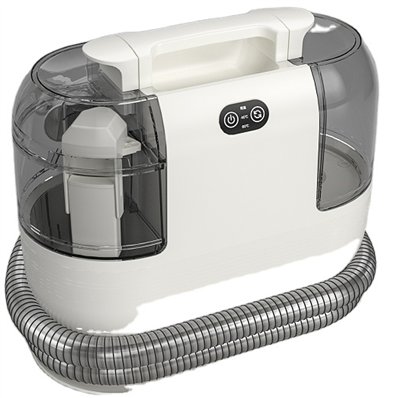
At the end of the day, the key takeaway is this: a wheeled carpet and upholstery cleaner can absolutely be used on chenille—if you use one with adjustable settings, use gentle modes (suction-only, low suction), follow the direction of the pile, avoid harsh chemicals, and don’t over-wet the fabric. The worst thing you can do is assume all fabrics are the same, or grab the most powerful cleaner you have without adjusting it for the material. If you’re in the market for a wheeled cleaner that’s engineered specifically for delicate fabrics like chenille, designed to be easy to use at home, and built to last for years of cleaning both carpet and upholstery, we’d love to work with you. We can help you pick the right model for your needs, share our full chenille cleaning guide, and answer any other questions you have about matching our cleaners to your fabrics. For more details and to discuss your cleaning equipment needs, get in touch with our team today.
Carpet and Upholstery Cleaner Machine References
- Textile Institute. (2019). Care and Cleaning of Delicate Upholstery Fabrics. Textile Progress, 51(3), 187-242.
- American Cleaning Institute. (2021). Upholstery Cleaning Best Practices for Home Appliances. Journal of Cleaning Science, 17(2), 45-52.
- International Fabric Care Institute. (2020). Chenille Upholstery: Composition, Vulnerabilities, and Safe Cleaning Methods. Fabric Care Research Bulletin, 29(4), 11-19.
Ningbo MLE Electrical Appliance Co., Ltd.
Ningbo MLE Electrical Appliance Co., Ltd. is one of the most reliable wheeled carpet and upholstery cleaner manufacturers and suppliers in China, also supports customized service. Welcome to buy advanced wheeled carpet and upholstery cleaner made in China here and get pricelist from our factory. Quality products and reasonable price are available.
Address: 921 Room, Jinsejiangnan Building, Zhonghe Street, Yinzhou District, Ningbo, Zhejiang, China.
E-mail: Eileen@nbmle.cn
WebSite: https://www.cleaningappliance.com/
