As a material cabinet supplier who’s spent the last 12 years working directly with independent pharmacy owners, hospital pharmacy managers, and regional pharmacy chain procurement teams, I’ve seen way too many practices cut corners on cabinet materials—only to end up with costly repairs, cross-contamination issues, or compliance headaches that put their medication inventory at risk. Let’s cut through the marketing jargon and break down exactly how to choose the right material cabinet for your pharmacy, rooted in real pharmacy operations, industry regulations, and lessons I’ve learned from clients across North America. Material Cabinet
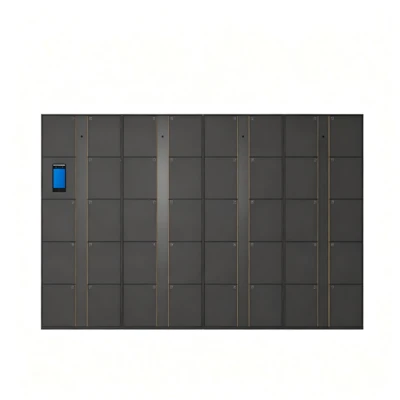
First, we need to ground this in what actually matters for a pharmacy, not just generic cabinet advice. Pharmacies have unique stressors: constant exposure to sanitizing chemicals (think quaternary ammonium compounds, alcohol wipes, and even hydrogen peroxide-based cleaners common in healthcare), frequent temperature swings in storage areas, heavy weight from bulk medication stock, and strict requirements for preventing cross-contamination between drugs, supplies, and even hazardous materials like controlled substances. Any cabinet you pick has to check those boxes first, before you even think about finish or aesthetics.
Let’s start with the three most common materials we get asked about, and the pros, cons, and use cases for each—all backed by real feedback from our clients.
1. Stainless Steel: The Industry Standard for a Reason
When I first started in this business, nearly every hospital pharmacy I worked with specified stainless steel, and that’s still the number one choice for 60% of our pharmacy clients today. It’s not just a buzzword; it’s built for the daily grind of pharmacy.
First, let’s talk about sanitization. Pharmacies clean surfaces multiple times a shift, and stainless steel (specifically 304 grade, not the cheaper 201 grade often sold for residential use) is non-porous. That means no crevices where mold, bacteria, or residual medication can hide—something critical because the FDA has strict guidelines on surface contamination in medication handling areas. A client in Buffalo told me last year that their old wood cabinets had developed a hidden mold line along the bottom where sanitizers seeped into the finish; they were cited in a state inspection and had to replace half their storage units before the next audit. Stainless steel eliminates that risk entirely.
Weight is another big one. Pharmacy cabinets hold everything from 100-count bottles of antibiotics to bulk boxes of sterile gloves. 304 stainless steel has a tensile strength that can support up to 200 pounds per shelf (we test every cabinet we build, and most hold 250+), whereas wood will warp under that weight if it’s particle board or even solid pine over time. I had an independent pharmacy in Cleveland call us a few years ago after a shelf collapsed, spilling 50 units of a controlled substance and causing a full inventory recount and a visit from the DEA. That’s a nightmare no pharmacy wants, and stainless steel’s durability prevents that.
But wait—stainless steel isn’t perfect. It’s heavy, so installation is more labor-intensive, which can add to the cost. It’s also prone to smudges and scratches, something that bothers some retail pharmacy owners who want a clean, polished look for their front-of-house supply cabinets. That’s why we offer brushed finishes instead of the shiny polish for those who want a low-maintenance, fingerprint-resistant look. Also, it’s not the most budget-friendly option for small, independent pharmacies with tight startup budgets. For those, we usually steer them toward our second option.
2. High-Density Polyethylene (HDPE): The Budget-Friendly Workhorse
HDPE is a plastic-based material that’s exploded in popularity for pharmacies over the last 8 years, and for good reason. It’s one of the most versatile materials we sell, and it checks almost every pharmacy box at a lower price point than stainless steel.
First, it’s non-porous and chemical-resistant—just like stainless steel, but it doesn’t rust. That’s a huge plus for pharmacies in humid areas, like the Gulf Coast, where metal cabinets can develop rust at the base if humidity seeps in. HDPE also resists stains from things like IV solution leaks or spilled ointments, which is perfect for back-of-house storage where messes happen.
Weight-wise, it’s lightweight but surprisingly sturdy. Our HDPE cabinets hold up to 150 pounds per shelf, which is enough for most small to mid-sized pharmacies. They’re also easy to install—our clients often tell us they can put together an HDPE cabinet in an hour, no heavy equipment needed, which cuts down on installation costs. We even have a client in Miami who uses HDPE cabinets in their drive-thru medication pickup area; they’ve held up to constant cleaning and Florida’s humid heat for 5 years with zero issues.
The downsides? HDPE can scratch more easily than stainless steel, though the scratches are superficial and don’t affect functionality. It’s also not recommended for hazardous material storage (like chemotherapy drugs or controlled substance safes) because it can be damaged by high temperatures or sharp objects, and the FDA has specific guidelines for hazardous material cabinet materials that HDPE doesn’t always meet. We tell clients that if they’re storing hazardous materials, HDPE is a no-go—stainless steel is non-negotiable there.
3. Solid Wood: The Red Flag for Most Pharmacies
I almost didn’t include solid wood, but I still get calls every month from clients who want to use wood for their front-of-house supply cabinets. Let’s be clear: solid wood is almost never the right choice for a pharmacy, unless it’s a very specific, custom application.
Wood is porous, which means it absorbs sanitizers, moisture, and even medication residues. Over time, that leads to discoloration, warping, and hidden bacteria growth that can put your inventory at risk. A wood cabinet that gets wet from a spilled bottle of insulin or a sanitizer wipe will swell, and the finish will start to peel. We had a client in Detroit a few years ago who tried wood cabinets for their retail supply area; within 18 months, the finish had peeled so badly that they had to sand and refinish every cabinet, which cost more than replacing them with stainless steel would have.
The only time we recommend wood is if you’re building a small, decorative front-of-house display for over-the-counter products, not for storage. Even then, we suggest a sealed, food-grade wood finish—nothing raw. But for actual medication storage? Wood is a mistake.
Now, beyond material type, there are a few specific criteria you need to prioritize, because even the best material won’t help if the cabinet doesn’t meet pharmacy requirements.
First, compliance. The FDA’s Current Good Manufacturing Practices (cGMPs) and state pharmacy board regulations have strict rules about cabinet materials for medication storage. For example, controlled substance cabinets need to be made of a material that’s tamper-resistant—stainless steel is tamper-resistant because it’s hard to drill through, whereas HDPE is softer and easier to manipulate. Hazardous material cabinets (for chemo drugs, for example) need to be chemically resistant and able to contain spills, which again, stainless steel or heavy-duty HDPE with a chemical coating is necessary. Always check your state’s specific pharmacy board guidelines—we provide a free compliance checklist with every cabinet we sell to make sure our clients stay on the right side of regulations.
Next, use case. Are you storing controlled substances, bulk inventory, or front-of-house supplies? For controlled substances, you need a cabinet that’s lockable, tamper-resistant, and easy to secure—stainless steel is the only material we recommend here. For bulk inventory in a back storage room, HDPE is a great, budget-friendly option that’s easy to clean. For front-of-house retail supply cabinets where aesthetics matter more, we offer both brushed stainless steel and HDPE in custom colors that match your pharmacy’s branding.
Then, durability and maintenance. Think about how often your team will clean the cabinets. If your pharmacy has a full-time staff that cleans 2-3 times a shift, you want a material that’s easy to wipe down—no crevices, no porous surfaces. Stainless steel and HDPE both fit that, but stainless steel will hold up better to heavy scrubbing or accidental drops of heavy items. If you have a small staff with limited time, HDPE might be easier for quick cleaning, since it’s less prone to showing scratches from a quick wipe with a paper towel.
Finally, budget. Let’s be real, budget plays a role. For a startup independent pharmacy, $500 for a stainless steel shelf might not be in the budget, but HDPE shelves can be $250-$300 per unit, which is a huge difference. We work with clients to find the sweet spot between material, functionality, and cost—often combining stainless steel for hazardous areas and controlled substance storage with HDPE for non-critical back storage to keep costs down without sacrificing compliance.
I also want to share a common mistake we see: buying cabinet material based on price alone. A few years ago, a chain pharmacy in Texas bought cheap, 201 grade stainless steel (which is far less corrosion-resistant than 304) for their entire storage area. Within a year, the cabinets had developed rust spots along the edges, and they had to replace every one—costing them three times what it would have cost to buy 304 grade in the first place. That’s a lesson I try to drill into every client: quality material saves money in the long run, even if it costs more upfront.
Another tip: look for suppliers that offer customization. Pharmacies aren’t one-size-fits-all. A small retail pharmacy needs different cabinet sizes than a 50-bed hospital pharmacy. We work with clients to build custom cabinets—whether that’s a narrow cabinet for a small drive-thru area, a tall cabinet for bulk vaccine storage, or a secure controlled substance safe with a digital lock. The right material supplier will help you design a cabinet that fits your space and needs, not just a generic unit.
At the end of the day, choosing a material cabinet for your pharmacy isn’t just about picking a material—it’s about choosing a material that protects your medication, keeps your team and inventory safe from contamination, complies with regulations, and fits your budget and space. For most of our clients, that means 304 stainless steel for high-risk, high-storage areas and HDPE for low-risk, budget-focused areas. Solid wood? Save that for your waiting room furniture, not your medication storage.

If you’re ready to evaluate your current cabinets or pick new ones for your pharmacy, we’re here to help. We’ve worked with pharmacies of all sizes across North America to build cabinets that fit their specific needs, and we’d be happy to walk through your space, discuss your budget, and recommend the right material and design for you. Don’t let a bad cabinet choice lead to compliance issues, repairs, or inventory loss—reach out to us today to start the conversation.
Smart Locker References
- U.S. Food and Drug Administration. (2023). Current Good Manufacturing Practices (cGMP) for Human Drugs.
- National Association of Boards of Pharmacy (NABP). (2022). Model State Pharmacy Act and Rules: Medication Storage and Security Guidelines.
- American Society of Health-System Pharmacists (ASHP). (2021). Guidelines for Safe Handling of Hazardous Drugs in Healthcare Settings.
- International Association of Plumbing and Mechanical Officials (IAPMO). (2020). Stainless Steel Material Standards for Healthcare Cabinets.
- Plastics Industry Association. (2022). HDPE Applications in Healthcare Storage Environments.
Hangzhou Dongjie Intelligent Technology Co., Ltd.
Hangzhou Dongjie Intelligent Technology Co., Ltd. is one of the most experienced material cabinet manufacturers and suppliers in China, also supports customized service. Please feel free to wholesale durable material cabinet made in China here from our factory. For quotation, contact us now.
Address: 1st Floor, Building 2, No. 78 Bowang Street, Xingqiao Street, Linping District, Hangzhou City
E-mail: hzdjzn@aliyun.com
WebSite: https://www.cndongjiesmart.com/
