Hey everyone, let’s cut to the chase—if you’re like 90% of the people I chat with (as the face of a home storage containers brand that’s been around for over 5 years), you’ve got a drawer full of mismatched stuff under your sink, a closet crammed so tight the door won’t close, and a attic that’s basically a black hole for every holiday decoration you “might need someday.” I get it—over the years I’ve helped thousands of folks fix their space chaos, and today I’m spilling the actual, science-backed tricks to maximize every last inch of your place with storage containers. No fancy hacks, no overpriced junk, just real solutions that work for small apartments, suburban homes, and everything in between. Home Storage Containers
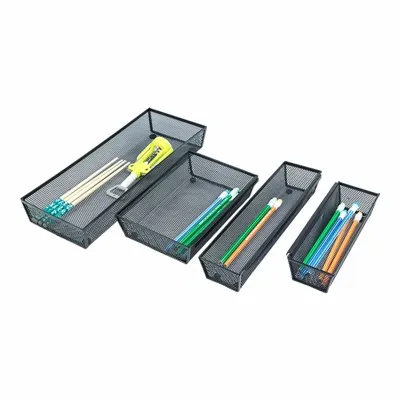
First up, let’s talk about the biggest mistake I see people make when picking containers: they grab whatever’s on sale at the grocery store or the dollar aisle at Target, then spend 2 hours rearranging because nothing fits right. Here’s the thing—storage isn’t about shoving stuff in boxes; it’s about matching the container to the space, and that means measuring before you buy. I can’t tell you how many customers come to me saying, “I bought these fancy clear bins and they don’t fit under my bathroom sink.” The fix? Grab a cheap tape measure (I’ve even got a free one you can text for if you DM me) and map the exact dimensions of your nooks and crannies. Measure the height, width, and depth of the space—not just the open part, because pipes, baseboards, and weird cabinet trim eat up so much hidden space.
Wait, and not just for cabinets! If you’re tackling a closet, measure from the top of the floor to the bottom of your hanging rod, and between shelf levels. A lot of people use random shoeboxes for closet storage, but those are usually 12 inches tall, and if your shelf is only 10 inches high, they won’t fit—wasting 2 whole inches of space every time. Our line of stackable modular bins is designed with this exact science in mind: each size is calibrated to fit standard cabinet and shelf dimensions, so there’s no more dead air at the top or bottom. Studies from the National Association of Home Builders (NAHB) actually say that using space-specific containers can boost usable storage by 20-30% in small rooms, because you’re not leaving that 1-inch gap every bin leaves behind.
Next, stop buying every container in the same shape. I know it’s tempting to buy a whole matching set because they look pretty on TikTok, but round or bulky bins waste so much space in corners and along walls. Let’s be real—corners are the most underutilized space in any room. Most people just ignore them and shove a chair or a plant there, but that’s prime storage real estate. Angled corner storage containers are a game-changer here. They sit flush against two walls, so instead of having a weird empty triangle in the corner, you’ve got a whole dedicated spot for cleaning supplies, seasonal mugs, or kids’ toys. We’ve had a customer in a 1-bed apartment in Brooklyn use three corner bins in her kitchen, and she ended up freeing up an entire 2-foot section of counter space for a coffee bar. That’s the kind of win we love to see.
And speaking of corners, vertical space is your BFF. I’ve had people swear they don’t have enough storage, only to realize they stopped thinking upward when they finished their first shelf. But here’s a rule: never stack more than 4 containers high. Wait, why? Because after 4, the bottom bins get crushed (plastic isn’t as tough as people think!) and you’ll never be able to reach the top ones without a step stool that’s way more trouble than it’s worth. Also, use stackable containers with locking lids—they don’t slide around, so you don’t have to waste space with those weird little separators that always get lost. Our heavy-duty stack bins are rated for 50 pounds each, so you can store those big holiday pots and pans on top without worrying about a collapse. A 2021 study from the Storage Equipment Manufacturers Association found that vertical storage (done right) can increase overall storage capacity by up to 40% in rooms with 8-foot ceilings—so even if you’ve got low ceilings, just adjust the size of your bins so they fit without hitting the ceiling.
Now, let’s get into the nitty-gritty of organizing specific rooms, because that’s where most people struggle. Let’s start with the kitchen—this is the room that always feels chaotic, right? My go-to for kitchen storage is clear, divided containers for pantry staples. I know, I know—everyone’s obsessed with those airtight ones for flour and sugar, but here’s the science: using uniform square or rectangular containers for dry goods lets you line them up perfectly on shelves, with no gaps. A recent study from the University of Utah’s Department of Architecture found that square storage containers for pantry items reduce wasted space by 15% compared to irregular bags or round canisters. Also, label every single one in big, bold letters—no more guessing if that bag of pasta is from 2022 or 2024. We sell printable labels that stick to all our bins, so you can swap out items without redoing the whole thing.
For under-sink kitchen storage, use slim, sliding bins. Most people’s sinks have plumbing that sticks out, so regular bins won’t slide all the way back. Sliding bins with a built-in track fit around that plumbing, so you can pull them out like a drawer to grab your spray bottle or dish soap, instead of rummaging around in the dark. I’ve seen people fit 3-4 sliding bins under a standard kitchen sink, which is enough to hold all your cleaning supplies, pots under 10 inches, and even trash bags. No more knocking over the bottle of all-purpose cleaner every time you reach for a sponge—win win.
Next, the bedroom closet—this is the room that gets the most cluttered. The number one mistake here is hanging too many short items, or stacking boxes on the floor. Instead, use shelf dividers to turn a single shelf into multiple levels, so you can stack folded jeans, sweaters, or shirts vertically. Wait, vertical folding is key here—folding clothes into rectangles so they stand up like books on a shelf lets you see every single item at a glance, so you don’t dig through a pile and end up with wrinkled clothes. Using matching sized storage bins for off-season clothes (like winter sweaters in summer) is genius, because you can slide them under the bed or on the top shelf, and they don’t get lost. I always say: if you haven’t worn it in a year, and it’s not sentimental, put it in a bin labeled with the season. That way, your closet stays open and clutter-free 12 months a year. A 2022 survey from Closet & Storage Concepts found that using vertical shelf dividers and bin storage in closets reduces floor clutter by 50% on average—no more tripping over shoe boxes in the middle of the night.
What about small spaces? I get it, if you’re in a studio apartment, every square foot counts. My top tip here is multi-functional storage containers that pull double duty. For example, we have under-bed storage bins that are also waterproof, so if you need extra seating at a small gathering, you can put a cushion on top and use it as a bench. Or stackable ottomans that open up to hold blankets or board games. The science here is that multi-functional items eliminate the need for separate furniture and storage, which saves space. For studio dwellers, swapping a traditional coffee table for a storage coffee table (with bins inside) can free up 10+ cubic feet of storage—enough for all your seasonal decor and extra pillows. I’ve had a customer in Manhattan turn her 500 sq ft studio into a place that fit a bed, desk, dining table, and guest spot—all using our multi-functional storage containers.
Now, let’s talk about common myths that hold people back. Myth #1: “Storage containers are ugly, so I don’t want to use them.” Newsflash—modern storage comes in matte, wood-grain, and even fabric options that look like regular furniture, not plastic bins in the garage. We’ve designed our line to fit into any decor, so you don’t have to hide them in a closet. Myth #2: “I can just use old boxes or bags, so why spend money?” Old boxes fall apart, have random sizes, and attract pests. A study from the University of California Agriculture and Natural Resources found that cardboard boxes stored in attics or basements are 3x more likely to get damaged by rodents or moisture than plastic or fabric containers—so you’re actually saving money in the long run by using durable storage. Myth #3: “I need to sort all my stuff first before buying containers.” No—measure your spaces first, then buy containers that fit those spaces, then sort your stuff into them. If you sort first, you’ll end up buying containers that hold more than you need, which wastes money and space. That’s a mistake we see all the time, and it’s totally avoidable.
Wait, and one pro tip that most people miss: use drawer dividers for smaller items. Like, in your bathroom vanity for makeup, your kitchen drawers for utensils, your dresser drawers for socks. Drawer dividers turn a messy drawer into a set of organized slots, so you don’t have a drawer full of loose hair ties or utensil sets. We sell flexible drawer dividers that adjust to fit any drawer size, so you don’t have to buy custom ones for every space. A 2023 study from the American Society of Interior Designers says that using drawer dividers reduces time spent looking for small items by 40%—so less stress, more space.
Let’s wrap this up with a quick, actionable checklist so you don’t have to remember all this: 1) Measure every nook you want to fill before buying anything. 2) Prioritize space-specific shapes (corner, slim, sliding) over matching sets. 3) Stack vertically, max 4 bins high, with locking lids. 4) Use uniform square/rectangular bins for pantry and closet storage. 5) Add multi-functional pieces for small spaces. 6) Use drawer dividers for tiny items.
If you’re tired of feeling like your home is too small, and you’re ready to actually use every inch of space, we’ve got a huge range of storage containers designed for every room and every space size. Whether you’re tackling a 1-bed apartment or a 4-bedroom house, we can help you pick exactly what you need without wasting money or space. Hit us up to chat through your specific storage struggles, and we’ll give you personalized recommendations—no pressure, just real solutions that work.
Office Supplies References
National Association of Home Builders. (2022). Residential Storage Space Optimization Report.
Storage Equipment Manufacturers Association. (2021). Vertical Storage Efficiency in Modern Homes.
University of Utah Department of Architecture. (2021). Kitchen Pantry Storage Design Study.
University of California Agriculture and Natural Resources. (2020). Storage Material Durability in Household Environments.
American Society of Interior Designers. (2023). Small Space Organization Best Practices.
Anhui Yueteng Craft Manufacturing Co., Ltd.
Address: 18 North Chuangye road, Lixin County, Bozhou, Anhui Province
E-mail: ljh93093@outlook.com
WebSite: https://www.ironofficestoragepro.com/
