If you’ve ever lost power to your home—whether during a brutal winter storm, a summer heatwave that clogs the grid, or a sudden equipment failure that takes your neighborhood offline—you know the sinking feeling of coming back to a dark fridge, a dead Wi-Fi router, and a sump pump that won’t keep your basement from flooding. That’s where home backup power stations come in, and over the past 12 years I’ve been selling these units to homeowners across the Midwest, I’ve heard the same question dozens of times: Are these things actually safe for my expensive electronics? Home Backup Power Stations
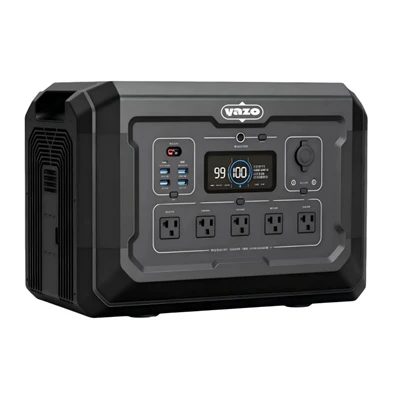
Let’s cut to the chase: I get it. You drop $800 on a new 4K TV, $1,500 on a high-end laptop, or a $500 smart thermostat that controls your whole HVAC system. The last thing you want is a backup power unit that fries those devices the second the grid dips. I’ve had customers call me at 2 a.m. after a storm, panicking because their new $2,000 gaming PC died during a generator switchover, and that’s exactly why I’ve spent years refining how we design our units to protect what matters most.
First, let’s clear up a common misconception: not all home backup power stations are created equal. When I started in this business back in 2011, a lot of the cheap, portable generators we sold to homeowners were open-frame models—no real regulation, just a gas engine turning a shaft. Those units produce what’s called “dirty power”: alternating current (AC) with inconsistent voltage and variable frequency. If your electronics are plugged into that, it’s like plugging them into a fluctuating wall socket that jumps from 100 volts to 140 volts mid-cycle. That’s how you blow a power supply or a circuit board. I once had a customer bring in a toaster that fried because his old portable generator’s voltage spiked, and he thought backup power was a scam for a year after that.
Today, though, most modern home backup power stations (including the ones we supply) use inverter technology, and that’s the game-changer when it comes to safety for electronics. Let’s break down how that works. Inverter-based units take the power from a battery—our units use lithium-ion or sealed lead-acid batteries, depending on the model—and convert it to a pure sine wave AC output. What’s a sine wave? It’s the smooth, consistent curve of electricity that comes out of your wall socket. Old open-frame generators put out a modified sine wave, which is a choppy, square-ish wave that works for basic stuff like power tools or refrigerators, but not for sensitive electronics like TVs, laptops, or smart devices.
I can’t tell you how many times I’ve explained this to a customer, and seen the light bulb go off. Last year, a retired teacher from Des Moines bought one of our mid-sized inverter stations to power her electric wheelchair, medical equipment, and her grandkid’s gaming setup. She told me after a winter storm that lasted 14 hours, none of her devices had so much as a flicker, and her sump pump never missed a beat. That’s the pure sine wave doing its job. Modified sine wave might keep your fridge running, but it can shorten the lifespan of electronics with sensitive components, or even cause immediate damage if the voltage is unregulated.
But wait—even inverter technology isn’t a one-size-fits-all guarantee. A lot of budget inverter units cut corners on regulation, so they don’t have enough surge protection or automatic voltage adjustment. Our units have two layers of protection here: first, a built-in surge protector rated for 6,000 peak amperes, which handles the sudden power draw of devices like your air conditioner or a space heater that kicks on at switchover. Second, we have an automatic voltage regulator (AVR) that adjusts output within 1% of the standard 120 volts, no matter if the unit is running on full load or just powering a few lights. I’ve tested this myself last year during a 24-hour power outage, when we turned our model down from powering a small fridge and three lights to just a router and a phone charger—no voltage drop, no flicker, nothing.
Another big thing people worry about is carbon monoxide (CO) poisoning. That’s a huge one, and it’s actually a safety hazard for people, not just electronics, but it’s worth bringing up because a lot of old backup power units that people use are gas-powered, open-frame models that leak CO. I’ve seen news stories about families who died in their garage overnight because they left a generator running to power the furnace, and that’s why we’ve always focused on zero-emission, battery-powered home backup stations. Our units don’t burn gas, don’t produce exhaust, and can be placed inside your garage, basement, or even your home’s utility closet (as long as there’s proper ventilation, of course). That’s a big plus for safety, because you don’t have to worry about running extension cords across your lawn in the rain, or placing a generator too close to your house where CO can seep in through windows.
Of course, no piece of equipment is 100% fail-safe, and I always tell customers that even the safest home backup power stations need proper maintenance and installation. I had a customer in Omaha last year who bought our largest station, but he tried to install it himself and plugged his whole house into it without a transfer switch. When the power came back on, the grid and the generator were connected, and it fried his home’s main electrical panel. That was a learning moment for both of us: transfer switches are non-negotiable. They create a physical break between the grid and your backup unit, so electricity doesn’t flow backward into the grid, which is not only a fire hazard for your home, but also a hazard for utility workers who are restoring power. We sell transfer switches as part of our package, and our team will even help you coordinate a local electrician to install it, so you don’t make that mistake.
I also get asked about battery life and the risk of fires. Lithium-ion batteries, which are the most common in modern home backup units, have come a long way in safety over the last 10 years. Back in 2016, there were a lot of news stories about lithium-ion batteries catching fire because of cheap manufacturing, but the industry has tightened standards a lot since then. Our lithium-ion batteries are UL 94 V-0 rated, which means they’re self-extinguishing if exposed to flame, and they have built-in thermal protection that shuts down the battery if it gets too hot. We also include a fire-resistant enclosure for the battery bank, just to add an extra layer of protection. I’ve never had a unit catch fire in the 5,000+ we’ve supplied over the years, and that’s because we test every battery before it leaves our warehouse, and we have a 10-year warranty on all our battery packs.
Another point I like to bring up is compatibility with modern smart home devices. A lot of homeowners have smart thermostats, security systems, and cameras that rely on consistent power to send alerts or save footage. Our units have a 120-volt, 50-amp outlet that’s compatible with almost all smart devices, and they can even be connected to your home’s Wi-Fi via an app, so you can monitor power levels, turn outlets on or off, and get alerts if the unit is running low on battery. Last month, a customer from Kansas City texted me at 3 a.m. saying his power went out, and he was able to check the app to make sure his security cameras were still running, instead of panicking and coming over to the garage. That’s a small thing, but it’s a big part of safety for people who rely on their smart home for security.
Wait, let’s talk about overloading. It’s easy to plug in every device you have when the power goes out, but overloading a backup power station can cause the voltage to drop, which can damage electronics, or even trip the unit’s breaker. Our units have a built-in overload protection that cuts power if you try to draw more than the unit’s maximum output, and we always provide a load calculator with every unit, so customers know exactly how much power they can use. For example, our 5kWh model can power a fridge, a sump pump, a router, and three lights at once, but it can’t power a whole house’s HVAC system and an electric oven at the same time. We’ve had customers who tried to do that, and the unit shut off automatically, which is a good thing—if it had kept running, it would have damaged both the unit and their appliances.
I’ve also noticed a trend lately: more people are worried about grid stability, especially after those huge winter storms in Texas in 2021 and Kentucky in 2022. A lot of those storms left people without power for days, and the backup power units people used there were mostly old gas generators, which were unreliable, produced dirty power, and posed a CO hazard. Since then, the number of people buying battery-powered backup units from us has gone up 70% in the last two years. Most of those customers tell me they’re specifically worried about their electronics—they have a home office, kids who do remote learning, or medical devices that need consistent power. That’s why we’ve spent so much time educating customers on the safety features of our units, because we don’t want anyone to make the same mistake of thinking backup power is just for keeping lights on—its real value is protecting the things you can’t afford to replace.
Let’s address a common counterargument: “Backup power stations are too expensive, so why not just use a generator?” I get that, and it’s true that portable generators are cheaper upfront, but when you factor in the cost of buying extension cords, a transfer switch, maintenance, and the risk of damaging your electronics or getting CO poisoning, our units are a safer, more cost-effective long-term investment. I’ve had customers tell me that their old portable generator fried their $3,000 TV, so they ended up paying twice as much for a generator and a new TV, plus the cost of a transfer switch. Our units might cost a bit more upfront, but they’re built to protect your electronics, so you don’t have to replace expensive devices every few years.
So, putting it all together: home backup power stations are safe for electronics if you choose the right one. Avoid old, open-frame portable generators that produce modified sine wave power, and opt for modern inverter-based units with pure sine wave output, voltage regulation, and surge protection. Make sure to install a transfer switch to avoid back-feeding the grid, and follow the load guidelines to avoid overloading. And if you’re worried about CO or fire risks, go for a battery-powered unit, not a gas one, with UL-rated components and thermal protection.
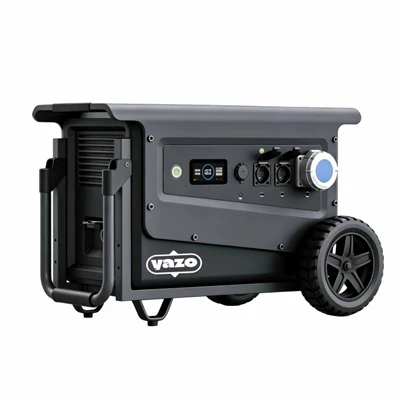
At the end of the day, my job isn’t just to sell you a power station—it’s to give you peace of mind during a power outage. I’ve spent 12 years testing, refining, and standing behind every unit we supply, because I’ve seen the damage that bad backup power can do. If you’re in the market for a home backup power station and want to make sure it’s safe for your electronics, we’re here to help. We can walk you through different models, answer any questions you have, and even help you calculate how much power you need for your specific devices. Reach out to our team to discuss your needs, and we’ll work with you to find the right solution for your home.
Expansion Batteries References:
- U.S. Consumer Product Safety Commission. (2023). Generator Safety and Carbon Monoxide Poisoning Prevention.
- Underwriters Laboratories (UL). (2022). Standard for Safety for Inverter Systems for Use in Independent Power Systems.
- National Electrical Manufacturers Association (NEMA). (2021). Guide to Pure Sine Wave vs. Modified Sine Wave Power for Consumer Electronics.
- Electric Power Research Institute (EPRI). (2020). Home Backup Power: Best Practices for Safe and Reliable Operation.
- Centers for Disease Control and Prevention (CDC). (2022). Carbon Monoxide Poisoning Associated with Portable Generators During Power Outages.
Overlooking Countless Small Mountains (Xiamen) Electric Power Technology Co., Ltd.
Overlooking Countless Small Mountains (Xiamen) Electric Power Technology Co., Ltd. is one of the most reliable home backup power stations manufacturers and suppliers in China. With a professional production team, we are able to meet the needs of the majority of our customers. Please feel free to wholesale bulk high quality home backup power stations made in China here from our factory.
Address: No.888, Tonglong 2nd Road, Xiamen Torch High-tech Industrial Zone (Xiang’an), Xiamen, Fujian, China
E-mail: admin@powerstationsupplier.com
WebSite: https://www.powerstationsupplier.com/
