If you’re like most of the clients we work with every day—from tech startups building server racks to industrial manufacturers housing sensitive control systems—your sheet metal enclosure is basically a well-guarded vault for your valuable gear. But here’s the thing: even the sturdiest enclosures collect gunk over time. Dust, oil residue, manufacturing debris, maybe even leftover cutting fluids from when we built it? Ignore that mess, and you could end up with overheating electronics, corroded panels, or even downtime that costs you way more than a quick clean ever would. As a sheet metal enclosure supplier who’s seen our products through everything from factory floors to lab cleanrooms, I’ve learned a thing or two about what works (and what totally messes up a good enclosure). Let’s break this down like we’re chatting over coffee—no fancy jargon, just real advice that actually gets results. Sheet Metal Enclosure
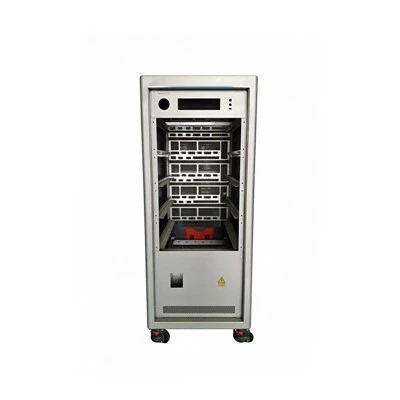
First, let’s talk about why cleaning your enclosure isn’t just a “spring cleaning” chore. Sheet metal (especially galvanized steel or aluminum, the stuff we use 90% of the time for enclosures) can corrode if you leave grime on it. Fine dust might seem harmless, but it traps moisture against the metal surface, accelerating rust. For enclosures housing electronics, that dust can clog vents, block airflow, and make your fans work way harder than they should—leading to premature component failure. Even if you’re storing parts, a dirty enclosure can scratch or contaminate whatever’s inside. Bottom line: a clean enclosure is a longer-lasting enclosure.
Now, before you grab a random rag and a bottle of whatever’s under your sink, let’s set some ground rules. This isn’t the time to go overboard with harsh chemicals. We test all our enclosure materials for compatibility with common cleaners, but using something too strong (like undiluted bleach, heavy-duty degreasers, or abrasive scrubs) can strip the protective coatings we add—either the powder coat finish we apply for extra durability or the thin passivation layer on raw steel. That’s a quick way to turn a $1,000 enclosure into a $100 replacement way sooner than you planned. Also, never use a pressure washer on your enclosure—high-pressure water can push past gaskets, get inside the panel seams, and damage internal wiring or delicate parts. Trust me, we’ve had clients come back with waterlogged server gear because they skipped that step.
Let’s start with the basics: what you’ll actually need. No fancy tools, I promise. Here’s my go-to list:
- Soft, lint-free microfiber cloths (old cotton t-shirts work in a pinch too—just make sure there’s no loose threads that can get stuck in vents)
- Mild dish soap (the kind you use for washing dishes, not antibacterial or degreaser dish soap)
- Warm water
- A soft-bristled brush (like an old toothbrush or a small paintbrush with synthetic bristles—avoid wire brushes, they’ll scratch the metal)
- Isopropyl alcohol (90%+ works best, not the 70% stuff)
- Distilled water (optional, but good for rinsing to avoid mineral spots, especially if you’re in a hard water area)
- A vacuum with a soft brush attachment (for sucking up dust from vents and hard-to-reach spots)
Now, step by step, let’s walk through the process, tailored specifically to sheet metal enclosures. First, prep the area. You don’t want to clean your enclosure on a dirty concrete floor, right? Set it on a sturdy table or a clean tarp to keep grime from transferring to the bottom. If the enclosure has any removable parts—fans, internal shelves, door gaskets, cable glands—take those off first. It’s way easier to clean the main panel when there’s nothing in the way. Pro tip: snap a quick photo of how everything’s connected before you take it apart, so you don’t spend an hour putting it back together later.
Next, the dust layer. That’s the easiest part, but most people skip it and jump straight to wet cleaning. Grab your vacuum with the soft brush attachment and gently suck out all the loose dust from vents, around the door hinges, along the top edge, and any nooks and crannies. For stubborn dust that’s baked on a bit (like if your enclosure’s been in a dusty factory for a year), use the soft-bristled brush to loosen it before vacuuming—just don’t scrub hard, you might scratch the powder coat. If you try to wipe dry first, you’ll just smear the dust around, so vacuuming first is non-negotiable.
Now, the wet clean. Mix a few drops of that mild dish soap with warm water in a bucket—don’t make it sudsy, that’s a waste and you’ll have to rinse more. Dampen a microfiber cloth in the soapy water, wring it out really well (squeeze until there’s barely any moisture left—you don’t want water dripping into the enclosure), and wipe down all the exterior surfaces. For the interior, same thing: wring the cloth extra tight, so it’s just barely damp. If you have any grease or oil spots from manufacturing (we see this sometimes with enclosures used in automotive or machining shops), add a tiny bit more soap to the cloth, rub the spot gently, and it should come right off. No need to press super hard—sheet metal finishes are durable, but they’re not indestructible.
Once you’ve wiped everything down, it’s time to rinse. This is where distilled water comes in handy, but if you don’t have it, regular tap water works just fine. Dampen a clean microfiber cloth with plain water, wring it out, and wipe away all the soap residue. Soap left on metal will attract more dust over time, so don’t skip this step. If you notice any mineral spots (those white dots from hard water) after drying, dip a clean cloth in a little 90% isopropyl alcohol and buff the spot out—it works way better than water for removing those.
Now, the parts you took off earlier (gaskets, fans, etc.). Gaskets are super important for keeping dust and moisture out—so don’t forget to clean those. Wipe them down with a cloth dampened with the soapy water, then rinse, and let them air dry completely before putting them back. For fans, use the vacuum’s brush attachment to suck out dust from the blades, and if they’re extra grimy, you can gently wipe them with a microfiber cloth dampened with isopropyl alcohol (just don’t get the motor wet). Let all removable parts dry fully before reattaching them—putting a slightly damp gasket back on can trap moisture inside the enclosure, which leads to rust.
Wait, what if your enclosure has raw steel (no powder coat) instead of coated metal? Same process, but you want to be extra careful to dry it immediately after cleaning. Raw steel is way more prone to rust, so after rinsing, wipe it down with a dry microfiber cloth right away, and maybe even spray a thin layer of a rust inhibitor (we recommend the same stuff we use for our raw steel enclosures) to keep it protected. We don’t usually leave enclosures raw unless the customer is doing their own finishing, so this is a quick tip for anyone who’s modified an enclosure after buying it from us.
Now, what should you never do? Let’s list the mistakes I see all the time:
- Don’t use steel wool, abrasive scrubbers, or wire brushes on powder coat or raw steel. They leave tiny scratches that can trap dirt and lead to rust over time.
- Don’t use harsh chemicals like acetone, bleach, or heavy-duty degreasers. Acetone will melt powder coat, and bleach will corrode raw steel. Even “industrial strength” degreasers can strip the passivation layer on aluminum, so stick to that mild dish soap.
- Don’t skip drying. Water left on metal, even coated metal, will eventually cause spots or small corrosion. Take two extra minutes to wipe everything dry, and if it’s a humid day, leave the door open for 10 minutes to let it air out.
- Don’t pressure wash or hose down the enclosure. I can’t stress this enough—high pressure can damage gaskets, bend thin sheet metal, and push water past seams into the inside of the enclosure. We’ve had so many clients bring us enclosures that looked fine on the outside but had ruined electronics inside because they used a pressure washer.
How often should you clean it? That depends on where your enclosure is. If it’s in a controlled environment like an office or cleanroom, a quick wipe every 3-6 months is enough. If it’s in a factory, construction site, or anyplace with lots of dust or oil, aim for every 1-2 months. And if you notice any spots, rust starting, or vents getting clogged, clean it as soon as you can—don’t wait for the next scheduled clean.
Wait, one last thing: what about if you’re doing a deep clean, like if your enclosure has been sitting unused in a warehouse for a year? Or if it’s covered in old cutting fluids from when we manufactured it (hey, it happens, sometimes enclosures get stored for a while before they’re delivered)? For that, you can add a tiny bit of rubbing alcohol to your soapy water to cut through heavier grime, but still keep it diluted. Never use undiluted alcohol, though—it can break down some gaskets over time. For really stuck-on cutting fluid, let the soapy cloth sit on the spot for a minute before wiping, no scrubbing needed.
As a sheet metal enclosure supplier, our goal is to make products that protect your gear, and a clean enclosure is a big part of that. We’ve seen clients get 10+ years of use out of our enclosures just by doing these simple cleanups, while others skip cleaning and have to replace them in 2-3 years. It’s a small, 30-minute job that saves you a lot of money and headache down the line.
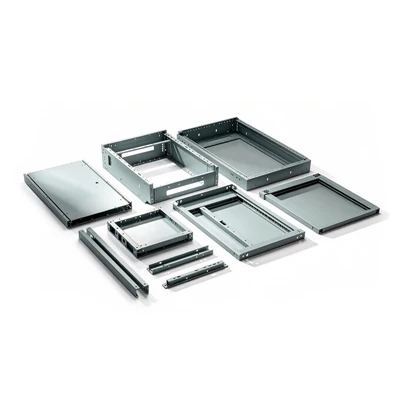
If you have an enclosure that’s past due for a clean, or you’re looking for a durable, easy-to-maintain sheet metal enclosure for your next project, we’re here to help. We build enclosures for every use case, and we can walk you through how to care for yours to keep it in top shape. Reach out to our team to discuss your enclosure needs and get a custom quote that fits your project.
Sheet Metal Enclosure References
- Metal Finishing Guidebook: Cleaning and Maintenance of Sheet Metal Components, National Association of Metal Finishers
- Industrial Enclosure Best Practices: Preventing Corrosion and Extending Lifespan, IEEE Industrial Electronics Society
- Safe Cleaning Methods for Powder Coated Steel Surfaces, Powder Coating Industry Association
Hefei Excellent Intelligent Technology Co., Ltd.
As one of the most professional sheet metal enclosure manufacturers in China, we’re featured by quality products and good service. Please rest assured to wholesale bulk customized sheet metal enclosure made in China here from our factory. Also, pricelist is available.
Address: No.3 Jingyi Road, Douzhen Industrial Park, Gangji Town, Changfeng County, Hefei City, Anhui Province
E-mail: 1637201948@qq.com
WebSite: https://www.cnakst.com/
