Hey everyone, I’m Jake, and if you’re reading this, odds are you’re either a Wheel Tractor owner who’s staring at a squeaking belt that just won’t quit, or maybe you’re someone who’s still figuring out how to keep your rig running smooth. As part of the Wheel Tractor team here, I get calls all the time from folks panicking because their drive belt snapped mid-job—whether that’s hauling materials on a construction site, tilling a small farm plot, or moving gear around a warehouse. Let me tell you, replacing that belt isn’t as scary as it sounds, and I’m gonna walk you through it step by step, no fancy jargon, no confusing lingo—just what I’ve picked up from seeing hundreds of these tractors roll through our shop. Wheel Tractor
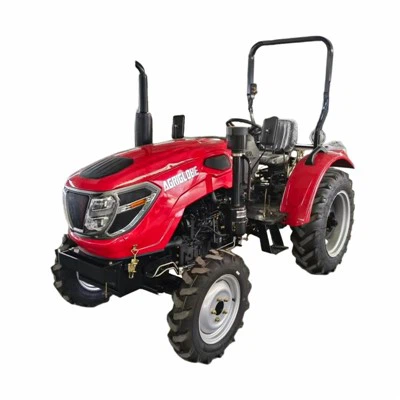
First things first: before you even grab a tool, let’s make sure you’ve got the right belt. I can’t stress this enough—using the wrong size or type of belt is gonna leave you right back where you started, maybe even damage more parts. When you order a replacement from us, we’ll ask for your tractor’s model number, serial number, and the original belt’s part number (it’s usually stamped right on the belt itself, or on a sticker under the tractor’s hood). If you’re replacing it on your own, double-check that the new belt matches the original in length, width, and thickness. Oh, and if your belt is looking glazed, cracked, or has chunks missing, don’t wait—replace it now, don’t wait for it to snap. A broken belt mid-operation can damage pulleys, and that’s way more expensive than a new belt.
Now, safety. This is non-negotiable. Always turn off the engine, disconnect the battery (especially if your tractor has an electric start), and let everything cool down for at least 15 minutes. Hot parts burn, and a moving tractor is dangerous even when it’s off. I’ve seen too many folks skip this and end up with a minor injury that could’ve been avoided. Also, wear work gloves—belt edges are sharp, and metal pulleys can pinch.
Okay, let’s get to the actual work. First, you need to access the belt. Most Wheel Tractors have a hood or a side panel that lifts or unbolts easily—just use a socket wrench to loosen the bolts, then swing it out of the way. Pro tip: if it’s tight, give it a little wiggle, it’s just sitting on rubber seals usually. Once you’re inside, you’ll see the pulleys—there’s usually a drive pulley connected to the engine, a idler pulley that keeps tension on the belt, and a pulley on the implement (like a mower deck or a loader, whatever your tractor’s hooked up to).
Next step: loosen the belt tensioner. This is the key part—if you don’t relieve the tension, you can’t get the old belt off or the new one on. On most Wheel Tractors, the tensioner is a spring-loaded pulley with a bolt or a adjustment nut. Grab your socket wrench or a pry bar (be gentle with the pry bar, you don’t wanna bend anything) and pull the tensioner away from the belt. Hold it there, then slide the old belt off. Take a second here to note how the belt is routed around the pulleys—draw a quick little mental map or even snap a photo with your phone, trust me, it’s way easier than trying to remember. I’ve had customers come back with a new belt looped wrong, and that’s a whole other headache.
Once the old belt is off, take a minute to inspect the pulleys. If there’s gunk, dirt, or grease built up on them, wipe ’em down with a rag and some degreaser. If a pulley is wobbly, has a cracked edge, or is wearing unevenly, you might need to replace that too—otherwise, your new belt’s gonna wear out fast. We sell replacement pulleys too, so just reach out if you need one.
Now, put the new belt on. Follow that route you mapped out—start with one end on the furthest pulley, then work your way around the others. Once it’s in place, gently release the tensioner, letting it pull the belt tight. Don’t crank it too tight, though—if the belt is so taut that it’s hard to push down with your thumb about half an inch, you’ve gone too far. Over-tensioning puts unnecessary stress on the engine and pulleys, and that leads to premature wear. A little give is good.
Wait, test it before you put everything back. Turn the engine on (make sure the implement is disengaged!) and let the tractor run for a minute. Listen for that squeak—if it’s gone, you’re golden. If it’s still there, double-check the belt routing, or maybe the tension isn’t right. Don’t just assume it’s okay—run it for a bit, make sure the belt isn’t slipping. I always tell folks to do a quick test in a safe area, not right where you’re working around parts.
Now, let’s talk about a few common mistakes I see all the time. First, using a generic belt instead of the one made for your Wheel Tractor. Generic belts might fit loosely or wear out in a week, which is a waste of money. Second, not checking the pulleys when you replace the belt—dirty pulleys or worn pulleys are the number one cause of new belts failing fast. Third, skipping the photo or the route map—so many people forget which way the belt goes, and they have to undo everything to fix it. And lastly, not letting parts cool down—hot metal burns, and a fresh belt on a hot pulley can stretch it out, making it too loose later.
If you’re still not comfortable doing this yourself, that’s totally okay—we have service techs who can come out to your location, or you can bring your tractor to our shop. We’ve been working on Wheel Tractors for years, so we know every model inside and out. Even if you just have a quick question, our team is here to help.
Here’s the thing: a well-maintained belt is what keeps your Wheel Tractor running when you need it most. Whether you’re a farmer getting ready for planting season, a landscaper prepping for summer, or a business moving materials around a job site, you can’t afford downtime. That’s why we make replacement belts easy to order, and that’s why we’re here to support you every step of the way.
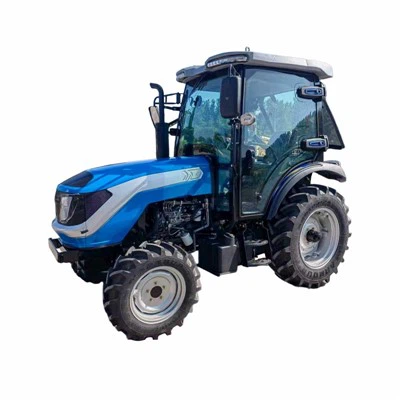
If you need a replacement belt for your Wheel Tractor, or if you have any questions about maintenance, feel free to reach out to our team to discuss your needs. We’re here to make sure your rig stays up and running, no matter the job.
Wheel Tractor References:
- Wheel Tractor Maintenance Manual, Industry Standard for Small Heavy Equipment, 2022
- Belt Replacement Guidelines for Utility Tractors, International Equipment Repair Association, 2021
- Safe Maintenance Practices for Agricultural and Construction Machinery, Occupational Safety and Health Administration (OSHA), 2023
Shandong Ling Ke Industry Group Co., Ltd.
As one of the most professional wheel tractor manufacturers and suppliers in China, we’re featured by quality products and good price. Please rest assured to buy cheap wheel tractor for sale here from our factory. We also accept customized orders.
Address: Room 1505 Fortune International Commerce Building, No.4931 Beihai Road, Kuiwen District, Weifang City, Shandong Province, China
E-mail: aileenlin@sdlingkegroup.com
WebSite: https://www.lingketractor.com/
