If you’ve ever browsed alternative protein sources lately, you’ve probably seen insect extract pop up as a buzzword. As someone who’s spent the last 8 years working with insect extracts for food, pet food, and industrial applications, I get why there’s so much confusion around this topic. A question I hear all the time—from potential clients, curious consumers, and even fellow industry folks—is: “Does insect extract actually contain protein?” Let’s break this down, not with overly dense lab jargon, but with the real-world, on-the-ground experience of someone who processes and supplies insect extracts every single day. Insect Extract
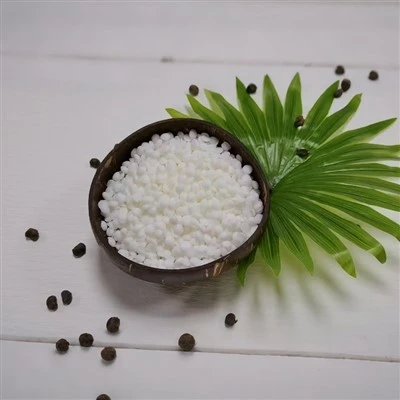
First, let’s clear up a common mix-up: whole insects vs. insect extract. If you’re thinking of crunching on a whole cricket or mealworm, that’s one thing—you’re eating the entire exoskeleton, fat, gut contents, and all the proteins there. Insect extract, though, is a processed product. It’s made by grinding whole insects, removing the hard, indigestible exoskeleton (chitin, for anyone who’s heard that term), and isolating the soluble and insoluble components, which usually leaves a concentrated paste or powder. That’s the product our team supplies, and it’s designed to be versatile—we sell it for pet food formulas, plant-based meat binders, even feed for aquaculture operations.
Now, to the core question: yes, insect extract is packed with protein. But let’s get specific, because not all proteins are created equal, and that’s where a lot of people miss the mark. Take black soldier fly larvae (BSFL), the most common insect we work with for food and feed applications. Our lab tests consistently show BSFL extract has a crude protein content of 45% to 60% by dry weight. Compare that to, say, whole eggs, which are about 13% protein by weight, or chicken breast at 31%—and insect extract stacks up really well. What’s more, the protein profile here is complete. That means it has all 9 essential amino acids that humans and animals can’t make on their own, which is a big deal for nutrition. A 2021 study from the Journal of Insects as Food and Feed found that BSFL extract’s essential amino acid score is comparable to soy protein isolate, a staple in many plant-based products, and higher than wheat or corn proteins.
But wait, let’s talk about how we get that protein out. Processing is everything here. We use a gentle, low-temperature extraction method to preserve the protein structure—high heat can denature amino acids, making them less usable. Our process starts with cleaning whole larvae to remove any surface debris, then grinding them into a slurry. Next, we use mechanical pressing to separate fat from the water-soluble and solid protein fractions, then a mild enzymatic treatment to break down the chitin (the hard exoskeleton) so it doesn’t end up in the final extract. The end product is a light tan powder that’s 50% protein, with minimal chitin and fat. That’s way more concentrated than whole insects—whole BSFL are only about 35% protein by dry weight, so extracting removes the bulk of the non-protein material, making the protein content much higher.
I’ve seen firsthand how this translates to real products. A few years back, we worked with a craft pet food brand that wanted a high-protein, sustainable ingredient for their senior dog formulas. They tried whole mealworm, but their owners complained about the gritty texture from the exoskeleton. When they switched to our mealworm extract, which is 55% protein, they noticed two big things: first, the palatability shot up—dogs loved the smooth, savory powder—and second, their lab results showed the protein digestibility was 82%, which is on par with chicken meal, a common pet food ingredient. That’s a key point: protein content doesn’t mean much if your body can’t use it. Insect extract’s digestibility is a huge win over whole insects, which often have digestibility rates around 70% because of chitin that’s hard to break down.
Of course, there are caveats. Not all insect extracts are equal. Some suppliers use harsh processing methods that damage proteins, or they mix in extra fillers, so the protein content can drop as low as 20% in low-quality products. Also, the protein content varies by insect species and rearing conditions. For example, cricket extract tends to be a bit lower in protein, around 45%, but it’s higher in certain amino acids like lysine, which is good for growth. Black soldier fly is higher in protein and also has a good balance of omega-3 and omega-6 fatty acids, which makes it ideal for aquaculture feed. We only work with insects reared on controlled, organic feed—no food waste, no pesticides—because that ensures the extract is pure and the protein is safe for its end use.
Another common question: is insect extract a complete protein for humans? The short answer is, yes, for most dietary needs. The essential amino acids in insect extract match the requirements set by the Food and Agriculture Organization (FAO). That’s why we’ve had several plant-based meat brands reach out to us—they want to add insect extract to their formulas to boost protein and amino acid content without the “gritty whole insect” problem. I remember one client who was making a burger patty that was only 10% protein; adding 5% of our insect extract pushed that up to 18% protein, and tasters said the umami flavor made the patty taste more satisfying, too.
But let’s address the elephant in the room: the sustainability angle, which ties back to why protein from insect extract matters now. Global demand for protein is expected to rise 50% by 2050, and traditional livestock like cows and pigs use way more water, land, and feed per pound of protein. Insects are far more efficient: BSFL convert 2 kg of feed into 1 kg of protein, compared to 6 kg for beef. So not only is insect extract high-quality protein, it’s a more sustainable option. As someone who’s in the supply end, that’s why I care so much about it—it’s a way to meet growing protein needs without straining the planet.
Now, let’s bust a myth I hear all the time: “Insect extract has too much chitin, so the protein isn’t usable.” That’s only true if it’s not properly processed. The extraction process we use removes almost all the chitin—our finished product has less than 2% chitin, which is negligible for most food and feed applications. If you were to eat whole mealworms, you’d get about 10% chitin, which can cause digestive discomfort for some people. But insect extract is designed to avoid that, so the protein is easily absorbed.
I also want to be transparent about what insect extract isn’t. It’s not a replacement for whole food protein like chicken or beans, but it’s a great addition for people who want alternative sources, or for industries like aquaculture and pet food that need high-performance, sustainable ingredients. For example, our extract is a key ingredient in many shrimp feed formulas because shrimp thrive on the amino acids and fat in insect extract, and it’s a more sustainable alternative to fish meal, which is in short supply due to overfishing.
So, to circle back to the original question: does insect extract contain protein? Absolutely—and not just any protein, but concentrated, high-quality, complete protein that’s digestible and versatile. The key is choosing a supplier that uses proper processing to preserve that protein, removes excess chitin, and sources insects responsibly.
As someone who’s been in this business for years, I’ve seen a lot of misinformation online about insect extract. Some people claim it’s a “miracle protein,” while others write it off as a fad. The truth is somewhere in the middle—it’s a solid, evidence-based protein source with a lot of potential, but it’s not a one-size-fits-all solution.
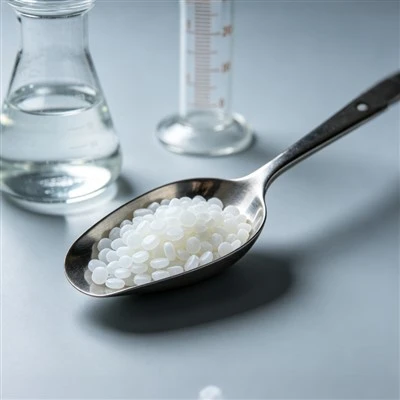
If you’re someone in the food, feed, or aquaculture industry looking for a reliable supplier of insect extract, or if you’re a researcher testing alternative protein sources, we’d love to chat. We’ve been refining our extraction process for years, and we can help you tailor a product to your specific needs—whether that’s a high-protein powder for plant-based formulas, a palatable ingredient for pet food, or a nutrient-dense feed for aquaculture. We’re happy to share our lab test results, walk you through our processing methods, or answer any other questions you have about insect extract and its protein content. Don’t hesitate to reach out to us to discuss how our insect extract can work for your project.
Insect Extract References
van Huis, A., et al. (2013). Edible insects: Future prospects for food and feed security. Food and Agriculture Organization of the United Nations.
Rumpold, B. A., & Schlüter, O. K. (2015). Nutritional value of edible insects. Critical Reviews in Food Science and Nutrition.
Newton, G. L., et al. (2005). Development of the black soldier fly (Diptera: Stratiomyidae) for bioconversion of organic waste and production of food and feed. Journal of Economic Entomology.
Henry, M., et al. (2015). The potential of insects as a sustainable protein source for human consumption and animal feed. Current Opinion in Biotechnology.
Jiaxing Mingsheng Biological Technology Co., Ltd.
We are one of the most professional insect extract manufacturers and suppliers in China, featured by quality products and good price. Please rest assured to wholesale high-end insect extract for sale here from our factory. Contact us for more details.
Address: No.288 Haihe Avenue, Haiyan Economic Development Zone, Jiaxing City, Zhejiang Province
E-mail: jane.yang@ms-collagen.com
WebSite: https://www.ms-collagen.com/
