Hey there! I’m a supplier of forged steel valves, and today I wanna chat about one of the key features of these valves: their abrasion resistance properties. Forged Steel Valves
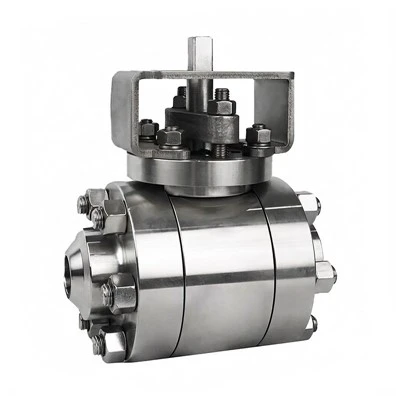
First off, let’s understand what abrasion is and why it matters for valves. Abrasion is basically the wearing away of a material’s surface due to friction when it comes into contact with other solid particles. In industrial settings, valves are often exposed to all sorts of harsh substances like sand, gravel, and debris carried in fluids. If a valve can’t resist abrasion well, it’ll start to wear down quickly. This not only shortens the valve’s lifespan but can also lead to leaks, reduced performance, and even pose safety risks. That’s why abrasion resistance is such a big deal.
So, what makes forged steel valves so good at resisting abrasion? Well, it all starts with the manufacturing process. Forging is a process where steel is heated and then shaped using pressure. This process results in a very dense and homogeneous structure. The grains in forged steel are aligned in a way that gives it superior mechanical properties compared to other methods of steel production, like casting.
The density of forged steel means that it’s more resistant to the impact of abrasive particles. When those harsh particles hit the valve surface, they have a harder time creating deep scratches or pits. The homogeneous structure also ensures that there are no weak spots in the material where abrasion could start and spread more easily.
Another factor contributing to the abrasion resistance of forged steel valves is the choice of steel alloys. Different alloys have different properties, and we can select the right one depending on the specific application. For example, alloys with high chromium content are known for their excellent abrasion – resistant qualities. Chromium forms a hard oxide layer on the surface of the steel, which acts as a protective barrier against abrasion.
In some cases, we might also use other alloying elements like molybdenum, nickel, or vanadium. Molybdenum can improve the strength and toughness of the steel, making it better able to withstand the repeated impacts of abrasive particles. Nickel can enhance the corrosion resistance, which is often related to abrasion resistance because corrosion can weaken the material and make it more susceptible to abrasion. Vanadium can refine the grain structure of the steel, further increasing its hardness and abrasion resistance.
Let’s talk about some real – world applications to see how important these abrasion – resistant properties are. In the mining industry, valves are used to control the flow of slurries, which are mixtures of water and solid particles like ore and sand. These slurries are extremely abrasive, and if you use a valve that doesn’t have good abrasion resistance, it’ll be worn out in no time. Forged steel valves, with their high – quality alloys and dense structure, can withstand the constant flow of these abrasive slurries for a much longer time. This reduces the frequency of valve replacements, which in turn saves a lot of money and maintenance time for mining companies.
In the oil and gas industry, valves are used in pipelines that transport crude oil, natural gas, and other fluids. These fluids can contain sand, rust, and other abrasive materials. The valves need to be able to resist abrasion to ensure a reliable flow of these valuable resources. A valve failure due to abrasion can lead to significant losses, both in terms of the product that’s being transported and the cost of repairs and downtime. Forged steel valves provide the necessary durability and abrasion resistance to keep these pipelines running smoothly.
Now, let’s look at how we can evaluate the abrasion resistance of forged steel valves. There are several testing methods available. One common method is the pin – on – disc test. In this test, a small pin made of the valve material is rubbed against a rotating disc under a certain load. The amount of material that is worn away from the pin after a set number of rotations is measured, and this gives an indication of the material’s abrasion resistance.
Another method is the slurry erosion test. In this test, the valve sample is exposed to a flowing slurry of abrasive particles. The test measures the rate of material loss from the valve surface over time. By comparing the results of these tests on different valve materials, we can determine which ones are the most abrasion – resistant.
At our place, we’re really proud of the quality of our forged steel valves when it comes to abrasion resistance. We use state – of the – art manufacturing techniques and carefully select the best steel alloys for each application. Our R & D team is constantly working on improving our products, looking for new alloys and manufacturing methods that can enhance the abrasion resistance even further.
We know that when you’re in the market for valves, you’re looking for reliability and long – term performance. That’s why we stand behind our forged steel valves. They’re not only great at resisting abrasion but also offer excellent corrosion resistance, high strength, and good sealing performance.
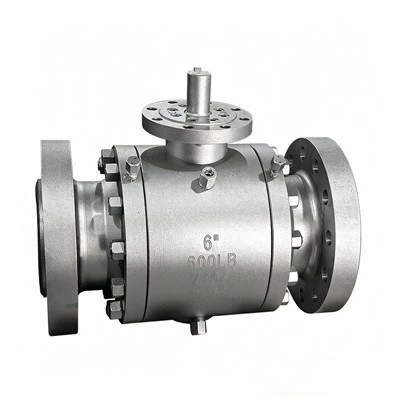
If you’re in need of forged steel valves, whether it’s for the mining, oil and gas, or any other industry, we’d love to talk to you. We can provide you with detailed information about our products, help you choose the right valve for your specific application, and offer competitive prices. Contact us to start a conversation about how our abrasion – resistant forged steel valves can meet your needs.
Ball Valve References:
- "Handbook of Valve Selection"
- "Materials Science and Engineering: An Introduction"
Zhejiang Chenxiang Valve Co., Ltd.
We are one of the most professional forged steel valves manufacturers and suppliers in China, also support customized service. We warmly welcome you to wholesale high quality forged steel valves in stock here from our factory. If you have any enquiry about quotation, please feel free to email us.
Address: No. 126 Zhongxing Road, Wenzhou Industrial Park, Longwan District, Wenzhou City, Zhejiang Province
E-mail: vip@chenxiangvalve.com
WebSite: https://www.cxindustrialvalve.com/
