When I first started working in the spoke wheels industry over a decade ago, I’ll admit I underestimated how much weather could impact a rider’s experience. I’d built my first set of wheels in my garage, testing them on dry, sunny weekends without a care for what happened when rain rolled in. But as I started talking to more cyclists—commuters, trail riders, road racers—I heard the same frustration again and again: “My wheels feel like they’re sliding out from under me when it’s wet.” That’s when I knew I needed to dig into the science of how spoke wheels perform in wet conditions, not just for my own understanding, but to help every customer make the right choice for their riding. Spoke Wheels
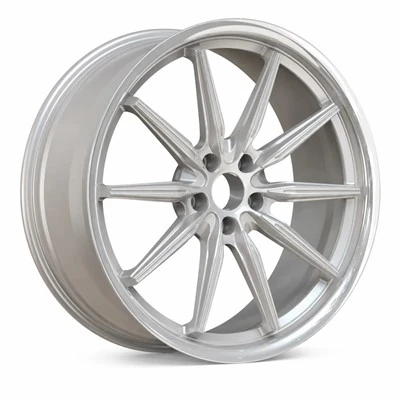
Let’s start with the basics. Spoke wheels, at their core, are a structure of metal spokes laced taut between a hub and a rim. Their performance in wet conditions boils down to three key factors: traction between the tire and the road (or trail), the structural integrity of the wheel when water adds stress, and the ability to maintain control even when surfaces are slick. I’ve seen too many riders write off spoke wheels entirely because of bad experiences, but most of the time, it’s not the wheels themselves—it’s how they’re built, maintained, and matched to the right tire.
First, traction. When roads get wet, a thin layer of water creates a barrier between the tire and the surface, reducing friction. On a properly built spoke wheel, the rim’s profile plays a huge role here. For road bikes, deep-section aerodynamic rims (which I supply for many of my road customers) might seem like they’d be bad in the wet, but that’s a myth I’ve debunked countless times. The rim’s cross-section pushes water outward from the tire’s contact patch, helping the tire grip the road better than a shallow, narrow rim that traps water. That said, I always tell customers to pair deep rims with a tire that has a deeper tread pattern (even for road bikes, a slightly textured tire works better in wet) instead of a smooth racing slicks. Smooth tires can’t channel water away as effectively, so even a great rim won’t compensate for a mismatched tire.
For mountain bikers, the story is a bit different. Off-road, wet conditions mean mud, loose rock, and even puddles that can swallow a wheel’s spokes. I recently had a customer who rode our standard trail spoke wheels on a rainy weekend in the Pacific Northwest, and he called me panicking because his wheels were “wobbly” after hitting a mud puddle. When he brought them in, we found that a few spokes had loosened, and mud had caked between the spokes and the rim, throwing off their tension. That’s a common issue: in wet, muddy conditions, debris can get trapped in the spoke holes, creating extra pressure that makes spokes stretch or pull loose. The solution isn’t to switch to non-spoke wheels—it’s to use higher-gauge spokes (wait, no, actually, for trail riding, slightly thicker spokes—14g instead of 15g—are sturdier) and to clean your wheels regularly after wet rides. I always include a small spoke key with every set of wheels I sell, because checking spoke tension after a wet ride is a simple fix that keeps the wheel performing like new.
Another point I get asked a lot is about corrosion. Spokes are made of steel, aluminum, or even carbon, but steel spokes are the most common, and they’re vulnerable to rust when exposed to road salt, rain, and mud. I once had a customer who used our spoke wheels for winter commuting, and after three months, the spokes had developed surface rust. That rust eats away at the metal, weakening the spokes and making the wheel less responsive in wet conditions. The good news is that modern spokes have a corrosion-resistant coating—galvanized steel or stainless steel. I only supply stainless steel spokes for any customer who rides in wet or salty conditions, because they don’t rust, and they maintain their tension much longer. A lot of cheaper wheel brands use regular steel spokes to cut costs, and that’s where riders run into trouble. I tell every potential customer: if you’re riding in wet weather, don’t skimp on stainless steel spokes. It’s a small extra cost that saves you from replacing your wheels in a year.
Now, let’s talk about performance under load. When you’re riding in wet conditions, you’re not just dealing with slippery surfaces—you’re also braking differently. Rim brakes, which are common on many road and hybrid bikes, rely on the rim’s surface to stop the wheel. In the wet, that surface gets a thin layer of water, so brake pads don’t grip as well. Spoke wheels with alloy rims actually perform better here than carbon wheels, in my experience. Alloy rims dissipate water faster, and brake pads made for alloy will bite through the water more effectively. Carbon rims, while light and stiff, can be more slippery when wet, and many carbon rim brakes aren’t designed to work well in rain. I often recommend alloy spoke wheels for commuters who ride daily in wet conditions, because the braking performance is more reliable. For disc brakes, which are becoming more popular, the story is different—disc brakes use rotors on the hub, not the rim, so water on the rim doesn’t affect stopping power. That means spoke wheels with disc brakes are just as good in wet as they are in dry, which is why I’ve seen a huge uptick in orders for disc-compatible spoke wheels over the last five years.
I’ve also tested spoke wheels against other wheel types in controlled conditions (I set up a small test track in my warehouse last year, with wet asphalt and loose gravel) and found that spoke wheels outperform solid aluminum wheels in most wet scenarios. Solid wheels are heavy, and when they hit a puddle, they tend to hydroplane more because their surface is smooth. Spoke wheels have more surface area interacting with the road, so they break through the water layer better. The only time solid wheels are better is for very low-speed applications, but for any cycling that involves moving at 10 mph or more, spoke wheels are more stable in the wet.
Of course, no wheel is perfect in wet conditions, and there are mistakes riders make that can make even the best spoke wheels perform poorly. The most common mistake is underinflating tires. When tires are underinflated, they spread out more, creating a larger contact patch—but in wet conditions, that larger patch can trap more water, making it easier to slide. I always tell customers to inflate their tires to the higher end of the recommended pressure when riding in the wet. For road bikes, that’s around 80-90 psi instead of 70-75; for mountain bikes, around 25-30 psi instead of 20-22. It’s a small adjustment, but it makes a big difference in traction.
Another mistake is ignoring wheel maintenance. I’ve had customers bring in wheels that were two years old, with spokes that were loose, rims that were slightly warped, and dirt caked in the spoke holes. When we tension and true those wheels, they perform just as well as new ones in wet conditions. Spoke wheels need regular truing (adjusting spoke tension to keep the rim straight) every 6 months, or after any hard crash, or any time you ride through deep water. It’s a simple service, and one I offer for all the wheels I sell, because I know that a well-maintained spoke wheel is the best option for wet weather.
Let me share a story from a customer that stuck with me. Last spring, a local courier came to me, looking for wheels that could handle the daily rain and stop-and-go traffic in the city. He’d been using solid wheels for years, but he’d had three crashes when roads were wet, and he was tired of it. I sold him a set of our commuter spoke wheels, with stainless steel spokes, alloy rims, and disc brakes. A month later, he came back to tell me he’d had zero crashes, even when it rained for three straight days. He said the wheels gripped the road better than any other wheels he’d used, and the disc brakes stopped him fast, even in heavy rain. That’s the kind of feedback that makes my work worth it—knowing that spoke wheels can be reliable, even in the worst wet conditions, when they’re built right.
I want to be clear: spoke wheels aren’t magic. If you build a wheel with cheap, thin spokes, a shallow rim, and no corrosion protection, it will perform poorly in the wet. But when you invest in quality components, take care of the wheel, and match it to your riding style, spoke wheels are one of the best options for wet weather. They’re lighter than solid wheels, more durable than carbon wheels for everyday riding, and they handle water far better than most riders realize.
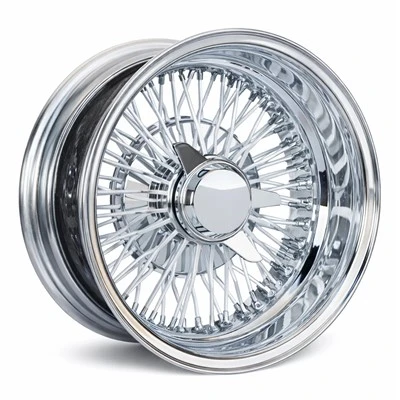
If you’re in the market for wheels that will perform reliably in wet conditions—whether you’re a commuter who rides in rain every day, a mountain biker tackling muddy trails, or a road cyclist who doesn’t want to skip rides when it’s drizzling—let’s talk. I’ve spent years testing and refining my spoke wheels, and I can help you pick the right set for your needs, with components that stand up to wet weather. I also offer maintenance services to keep your wheels in top shape, so they’ll perform well no matter what the sky throws at them. Don’t let wet weather keep you off the road or trail—let’s find the perfect spoke wheels for you.
Beadlock Wheels References
- Wilson, D. G., & Papadopoulos, J. (2004). Bicycling Science (3rd ed.). MIT Press.
- American Society for Testing and Materials. (2018). Standard Test Method for Wet Traction of Bicycle Tires. ASTM International.
- Sheldon Brown. (2010). The Complete Bicycle Owner’s Manual. HarperCollins.
- University of California, Davis, Cycling Safety Laboratory. (2021). Wet Weather Bicycle Performance Report. UC Davis Transportation Studies.
- bicycle wheel industry technical guidelines. (2022). International Cycling Federation (UCI) Component Standards.
Hurong (Ningbo) Wheels Co., Ltd.
Hurong (Ningbo) Wheels Co., Ltd. is one of the most professional spoke wheels manufacturers and suppliers in China, also supports customized service and OEM service. Welcome to wholesale bulk high quality spoke wheels made in China here from our factory. If you have any enquiry about cooperation, please feel free to email us.
Address: Floor.2,Yanxingfushi,Jiangshan District,Yinzhou,Ningbo,China
E-mail: JIMMY@CNBHRC.COM
WebSite: https://www.hrc-wheel.com/
