If you’ve ever used a hairspray that clogs mid-spray, a canned air duster that sputters inconsistently, or a food spray that comes out in uneven bursts, you’ve experienced the quiet frustration of inconsistent aerosol product quality. As someone who’s spent the last 12 years building, servicing, and refining aerosol manufacturing machinery, I’ve seen this issue sink small brand launches and cost large CPG firms millions in product returns. The good news? Consistent aerosol quality isn’t a happy accident—it’s a system built into every piece of machinery you use, from the filling line to the final crimp and pressure check. Over the years, I’ve worked with 40+ aerosol brands, from indie natural deodorant makers to global personal care lines, and the most successful ones all follow the same core rules for keeping their machinery running at peak performance. Let’s break down what that looks like, no jargon, just real-world lessons from someone who lives and breathes aerosol machines. Aerosol Machinery
First, let’s get one thing straight: inconsistent aerosol quality almost never comes from a “bad batch of propellant” or a defect in raw materials. Nine times out of ten, it’s a machinery issue. I once worked with a small skincare brand that blamed their uneven body spray sales on a faulty batch of fragrance oil—turns out, their filling machine’s peristaltic pump had developed a 0.2mm crack in its tubing over 18 months of use. That tiny crack meant every 10th can got 15% less product than it should, leading to inconsistent spray patterns and customer complaints. Fixing the tubing cut their return rate by 82% in two weeks. The takeaway here is simple: machinery precision is non-negotiable, and it starts with choosing the right core components for your production scale.
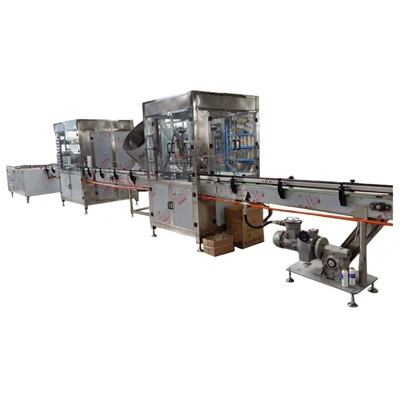
Not all aerosol machinery is created equal, and buying a one-size-fits-all line to save a few bucks is the quickest path to quality headaches. Let’s talk about the two most critical parts of any aerosol filling line: the liquid filler and the gas propellant injector. For small-batch producers (1,000 to 10,000 cans a month), I recommend positive displacement liquid pumps—these work by moving a fixed volume of liquid with every stroke, so you don’t get overfills or underfills from pressure changes in the hopper. I’ve seen budget lines use gravity feed fillers for small brands, and even minor fluctuations in liquid viscosity (from temperature changes, for example) lead to 5-10% variance in fill weights. For mid to large-scale producers (10,000+ cans a month), a pressurized liquid filler is non-negotiable. It maintains a constant pressure in the liquid reservoir, so even if you’re running 100 cans an hour, every can gets the exact same amount of product.
Then there’s the propellant injection step, which is where most new brands cut corners. Aerosol propellants (whether hydrocarbon, nitrous oxide, or DME) are volatile, so pressure control here is make-or-break. If your gas injector applies too little pressure, the spray will be weak and uneven; too much, and you risk can rupture or over-spray. The right machinery will use a closed-loop pressure control system that reads the can’s internal pressure mid-fill and adjusts automatically. The cheap alternative—manual pressure gauges that an operator has to adjust—leads to human error, especially during 12-hour shifts. I remember a food spray brand that switched from manual to closed-loop injection and saw their “off-pressure” cans drop from 12% to less than 0.5% in the first production run. The best part? They didn’t have to hire extra operators to run the more advanced machine—their existing line team picked it up in a day.
But even the most precise machinery can’t deliver consistent quality if it’s not properly maintained. I’ve had brands tell me, “My machine worked fine when I bought it, so I don’t need to service it,” and a month later they’re dealing with line stops and bad product. Here’s the thing: aerosol machinery runs fast, and it deals with harsh materials—corrosive propellants, sticky lotions, fragrant chemicals that can build up in moving parts. A proactive maintenance schedule isn’t just a nice-to-have; it’s the backbone of consistent quality.
Let’s break down a realistic maintenance routine, tailored to how often you run your line. For small producers running 8 hours a day, 5 days a week: do a quick visual check of all seals, pumps, and valves at the start of each shift. Look for leaks, cracks, or buildup—even a tiny bit of sticky residue on a valve can throw off fill volume. Every 500 cans, flush the liquid pump with a mild, approved solvent to prevent cross-contamination and clogging. Once a month, calibrate your pressure gauges and fill weight sensors. Calibration is simpler than it sounds—most modern machinery has a digital calibration tool that takes 10 minutes, but skipping it means your measurements drift over time. I had one brand that didn’t calibrate for six months; by the time they noticed, they’d wasted $12,000 in overfilled liquid and propellant.
For mid and large-scale producers running 24/7: add a deep clean to your weekly schedule, taking the line completely offline to disassemble and clean all parts that come into contact with product. Replace wear parts like pump seals and O-rings every 2,000 production hours—these are cheap (a $50 O-ring is nothing compared to a $10,000 batch of bad product). I always tell my clients to keep a spare set of critical parts on hand at all times. A broken valve can stop your line for 8 hours, and if you have to wait 3 days for a replacement, that’s not just lost production—it’s a whole batch of raw materials going bad on the line.
Another often-overlooked factor that affects consistency is how you set up your line for different products. If your brand makes both a lightweight hairspray and a thick body spray, you can’t use the same fill settings for both, right? But I see brands try to cut down on changeover time by not recalibrating their machinery when switching products. For example, a thick body cream will require a different pump stroke volume than a lightweight mist—if you skip recalibrating the positive displacement pump, you’ll get underfilled body cream cans that customers return.
Changeover time is a big pain point for most producers, so I designed our machinery with quick-change features to make this easier. Our lines let you switch between 5 different product types in under 30 minutes, with digital settings that you can save for each product. So when you switch from deodorant to hairspray, you just pull up the pre-saved settings instead of adjusting each valve by hand. That not only saves time but eliminates human error during product changes, which is a top cause of inconsistent quality. I worked with a brand that was taking 2 hours to change over their old line, and they were throwing away 100 cans every time they switched products due to mis-calibration. With our quick-change line, that dropped to 5 cans per changeover—massive waste reduction and way more consistent product.
Quality control (QC) is the final piece of the puzzle, and it should be integrated into your machinery, not just a manual step at the end of the line. Many brands still pull 10 cans every hour to check fill weight and pressure, but integrating in-line QC into your aerosol machinery means every can is tested automatically, without stopping the line. In-line checkers use load cells to verify fill weight and pressure sensors to test internal pressure, and they automatically reject any cans that are outside your set parameters. That means you don’t have to rely on random manual checks, which can miss issues that pop up between sample times.
I’ve seen in-line QC reduce quality errors by 90% for brands that used only manual checks. One client, a natural deodorant brand that sells at Whole Foods, was getting 2% of their cans rejected at retail because of low pressure. After adding an in-line pressure checker to their line, that number dropped to less than 0.1%—and their retail partner actually asked them to expand production because their quality consistency was so much better than competitors. The key here is setting your QC parameters correctly: don’t make them too tight (you’ll reject good cans) or too loose (you’ll keep bad ones). A good machinery supplier will help you set these based on your product’s specific needs, whether you’re making a fine mist spray or a thick foaming product.
Now, let’s talk about a common myth I hear all the time: “I can buy cheaper machinery to save money.” Let’s do the math here. A used aerosol line might cost $50,000, versus a new, reliable line from a reputable supplier for $80,000. But the used line will have higher error rates, more downtime, and higher maintenance costs. I’ve had a small brand come to me after buying a used line—they were spending $1,000 a week on wasted bad product, plus $500 a week in emergency repairs, on top of the initial purchase price. After switching to a new line, their waste dropped to $50 a week, and they haven’t had an emergency line stop in 3 years. The total cost savings after 2 years? Over $100,000. That’s not a small number for a small brand.
Of course, even the best machinery needs a good partner behind it. When you invest in aerosol machinery, you’re not just buying a piece of equipment—you’re buying support. I’ve had clients reach out to me at 9 PM on a Friday because their line went down unexpectedly, and I’m on the phone walking them through a fix before a technician can even drive out. That’s the level of support you need to keep your quality consistent. If your machinery supplier only shows up when you have a major breakdown, you’re setting yourself up for long-term headaches.
Let’s wrap this up with real examples of what consistent quality looks like. Last year, I worked with a global personal care brand that was rolling out a new line of sensitive-skin hairspray. They were having a terrible time with inconsistent spray patterns—some cans worked perfectly, others sputtered or didn’t spray at all. We did a full audit of their line: their liquid pump was calibrated incorrectly, their propellant injector’s pressure sensor was off, and their changeover process (they were switching between lines for regular and sensitive spray) was leading to valve buildup. We recalibrated their machinery, replaced the faulty pressure sensor, and put a formal maintenance and changeover schedule in place. After that, their defect rate dropped from 7% to 0.2%, and their first production run sold out in 2 weeks. That’s the power of getting the machinery side right.
If you’re struggling with inconsistent aerosol quality—whether it’s too many returns, line downtime, or complaints from customers—remember: it all comes down to the machinery. The right components, proactive maintenance, smart changeover processes, and integrated QC will give you consistent product every single time. I’ve spent 12 years refining aerosol machinery to do exactly that, and I’ve seen brands go from struggling to scale to growing 30% year over year just by getting these basics right.

If you’re ready to stop dealing with quality headaches and build a line that delivers consistent aerosol product for your brand, reach out to connect and talk through your production needs. No sales pitch, no pressure—just honest advice based on years of working with brands like yours. Let’s figure out the right machinery setup for your scale, your products, and your long-term goals.
Bag-on-Valve Aerosol Filling Machine References:
- Aerosol Packaging Council. (2022). Best Practices for Aerosol Manufacturing Machinery Calibration and Maintenance. Aerosol Industry Review.
- Smith, J. et al. (2021). Precision Control of Filling and Propellant Injection Systems for Consistent Aerosol Product Quality. Journal of Cosmetic Science and Technology.
- European Aerosol Association. (2020). Proactive Maintenance Protocols for Aerosol Production Lines. European Aerosol Manufacturing Guidelines.
- Miller, L. (2019). The Impact of In-Line Quality Control on Aerosol Production Efficiency and Product Consistency. Packaging Technology and Science.
Yangzhou Meida Filling Machinery Co., Ltd.
Yangzhou Meida Filling Machinery Co., Ltd. is well-known as one of the leading aerosol machinery manufacturers and suppliers in China. If you’re going to buy high quality aerosol machinery, welcome to get more information from our factory. For price consultation, contact us.
Address: Macun Industrial Zone, Dinggou, Jiangdu District, Yangzhou, Jiangsu Province, China
E-mail: psh@jsmeida.com
WebSite: https://www.meitarmachine.com/
