If you’ve ever stood in a bus depot or beside a long-distance coach parked at a terminal, you know how critical a good rearview mirror is. As someone who’s spent the last 12 years supplying coach rearview mirrors to fleets across North America, I’ve had my fair share of calls from maintenance managers who’ve just realized they can’t adjust a new mirror—and end up ordering a second one because they fumbled the job, stripped a part, or missed a key tool. Adjusting a coach rearview mirror isn’t just “twisting a knob” like you would on your personal car; it’s a precision task that needs the right gear to get right, because a misaligned mirror isn’t just an inconvenience—it’s a safety hazard. Over the years, I’ve put together a toolkit from firsthand experience, and I’m here to walk you through exactly what you need, why each tool matters, and how to use them so you don’t waste time (or money) on mistakes. Coach Rearview Mirror
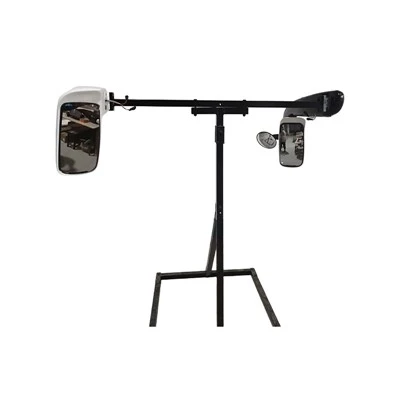
First, let’s start with the basics: why coach rearview mirrors are different from regular car mirrors. A coach’s rearview mirror isn’t a single glass pane—it’s a modular system, usually with a main flat mirror for wide road views, a smaller convex blind-spot mirror, and sometimes an additional lower mirror for hitch or trailer visibility. The mounting arm is heavier, bolted to the coach’s roof or side frame, and made to vibrate through thousands of miles. That means the adjustment points aren’t just plastic tabs—they’re metal gears, locking collars, and bolts that can seize up from road grime, salt, or weather. Skipping a tool or using the wrong one won’t just make the adjustment off; it could strip a bolt, crack the mirror housing, or even weaken the mounting over time. I’ve seen mechanics use a regular screwdriver on a stainless steel lock nut and end up with a rounded edge that takes 20 minutes to fix, just because they grabbed the wrong tool from their truck.
Let’s go through each tool in order of what you’ll use first to last, and explain exactly why you need it. The first, most essential tool is a metric socket set, specifically 8mm, 10mm, and 13mm deep well sockets. Wait—deep well, not shallow. Coach mirror mounting bolts sit recessed in the housing, under rubber gaskets that keep water out. A shallow socket won’t reach the bolt head without catching on the gasket, which can tear the gasket and lead to moisture leaking into the mirror wiring (yes, most modern coach mirrors have heated elements for ice and defrost, and turn signal lights). When I supply new mirrors, I always tuck an 8mm deep well socket in the box, just because I’ve had too many customers call saying they used a regular socket and ruined the gasket. Don’t skip the ratchet either—get a 3/8-inch drive ratchet, which is small enough to fit in the tight space between the mirror and the coach frame, and has enough torque to loosen even rusted bolts. A breaker bar is optional but worth having; if the bolt is seized from winter road salt, a quick 10-second blast with a breaker bar will loosen it without stripping the head.
Next up: a set of precision hex keys (Allen wrenches), sizes 3mm, 4mm, and 5mm. These are for adjusting the mirror’s internal gears—you’ll use them to fine-tune the angle of the main mirror or adjust the convex blind-spot mirror, which has tiny set screws that hold it in place. The key here is to get ball-end hex keys, not the flat ones. Flat hex keys can slip if you’re working at an angle, stripping the set screw and making it impossible to adjust. I keep a ball-end Allen key set in my supply van at all times, because even if a mechanic has a set, they almost never have the right size for the small internal parts. I learned this the hard way a few years ago when a fleet mechanic ordered three new mirrors after stripping set screws on an adjustment job—turns out he tried to use a set from his personal car that was the wrong size.
Then, a rubber mallet. This might seem random, but trust me. Once you’ve loosened the mounting bolt and adjusted the mirror to the right angle, sometimes the mounting arm is so tight from road grime that it won’t stay in place. A light tap with a rubber mallet (not a steel hammer— that will dent the frame or crack the mirror housing) will seat the adjustment gear without damaging any parts. I’ve had a customer call me in a panic once, saying he had his mirror adjusted and it kept slipping as he drove. I told him to grab a rubber mallet, tap the adjustment collar once, and it fixed the problem instantly. He said he’d been driving around for three days with a misaligned mirror before that, thinking he needed a new mounting arm.
You’ll also need a few smaller, easy-to-forget tools: a wire brush (small, handheld, not a big deck brush) and a can of silicone lubricant. Before you adjust any bolts or gears, there’s probably road grime, mud, or salt buildup on the adjustment points. If you try to loosen a bolt covered in caked-on dirt, it’s going to seize, and you’ll spend 10 minutes fighting it instead of adjusting the mirror. A quick scrub with a small wire brush cleans the area, and a light spray of silicone lubricant will help the adjustment move smoothly without sticking. Don’t use WD-40— that’s a lubricant, but it washes off in rain and doesn’t last, and it can attract more dirt over time. Silicone is dry, stays put, and is safe for rubber gaskets, which is important to keep the mirror watertight.
Last, but definitely not least, a flashlight (preferably a headlamp, so your hands are free) and a notepad or your phone to take notes on the adjustment. Wait—why a headlamp? Coach mirror areas are often in shadow, either from the roof overhang or from the coach itself, especially if you’re working at dawn or dusk. A headlamp lets you see the tiny adjustment gears and bolt heads without having to hold a flashlight in your mouth, which makes fumbling with the socket set a lot harder. Taking notes is key because every coach is a little different—what works for a 2018 Prevost won’t work for a 2022 Van Hool. If you write down the angle of the main mirror and the convex mirror position after you adjust it, next time you have to replace or adjust the mirror, you won’t have to spend 20 minutes testing angles all over again.
Now, let’s talk about what tools you don’t need, because I’ve seen mechanics buy extra gear that’s totally unnecessary. You don’t need a power drill—unless you’re removing a damaged mirror entirely. Adjusting the mirror’s angle doesn’t require drilling, and using a power drill on a small bolt can strip the head instantly. You also don’t need a pipe wrench or any other heavy tool— the adjustment parts are precision-made, not heavy-duty pipes, so a heavy wrench will crack the housing. And forget about using pliers to turn bolts; they’ll round the edge faster than anything else. I’ve had fleets spend hundreds of dollars replacing mirror housings because a mechanic used pliers to adjust a bolt— it’s avoidable with the right tool.
Once you have your tools, here’s the quick step-by-step to adjust the mirror, just to put it all in context. First, park the coach on a flat surface, turn off the engine, and set the parking brake. Next, use your small wire brush to clean the adjustment points, then spray a little silicone lubricant. Use the deep well socket and ratchet to loosen the mounting bolt just enough to let the mirror move—don’t take it all the way off. Then, adjust the mirror so you can see the entire length of the coach’s right side (or left, if you’re on the driver’s side) and the road behind you, with no blind spots where a car or cyclist could be hidden. If you have a convex blind-spot mirror, use the ball-end hex keys to adjust it so you can see the lane next to the coach without moving your head too much. Tap the adjustment collar with the rubber mallet to seat it, then tighten the mounting bolt back down. Double-check the angle by having a coworker walk around the back of the coach to confirm you can see them clearly, then test drive the coach for 5 minutes to make sure the mirror stays in place.
Now, if you’re a fleet manager or maintenance tech reading this, chances are you’re looking for a reliable supplier for replacement mirrors too. Over the years, I’ve heard too many stories about mechanics trying to adjust a counterfeit mirror, only to find that the adjustment gears are made of cheap plastic that strips after a few uses. As a coach rearview mirror supplier, every mirror I provide is engineered to match the original specifications, with metal adjustment gears and watertight gaskets built to withstand 500,000+ miles of travel. I keep parts in stock for all common coach models, so you don’t have to wait a week for a replacement when a mirror cracks or goes out of adjustment. If you’re tired of fighting with mismatched parts or tools that don’t fit, reach out to us to discuss your fleet’s needs—we can help you order the right mirrors, and even share a quick tool kit guide tailored to your maintenance team.
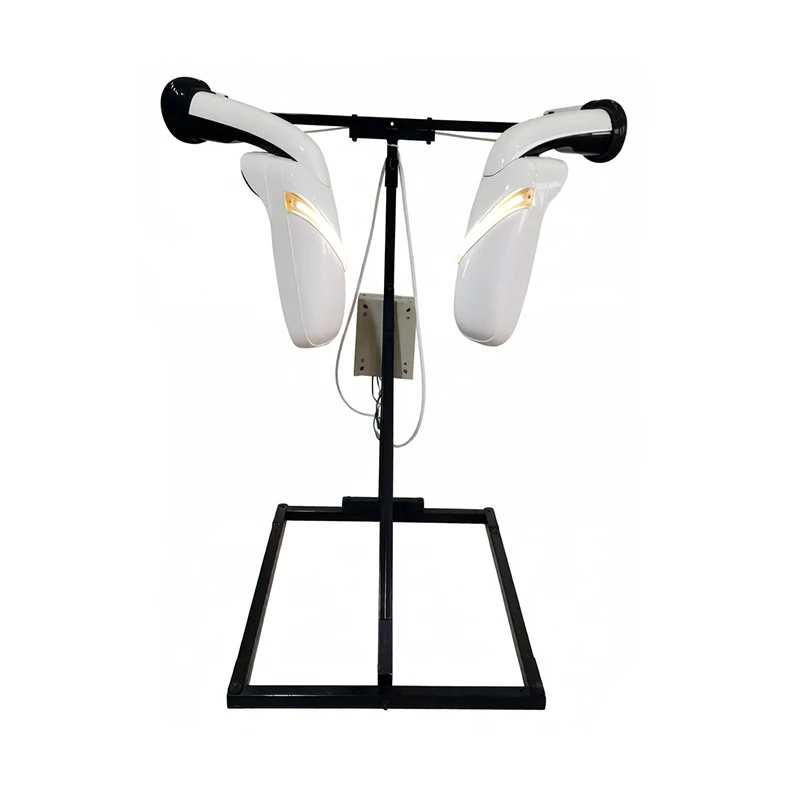
Don’t let a misaligned mirror put your drivers or passengers at risk. Having the right tools to adjust a coach rearview mirror isn’t just about getting the angle right—it’s about making sure every driver has a clear view of the road, which prevents accidents and keeps operations running smoothly. I’ve spent my career working with fleets to cut down on unnecessary repairs and make mirror maintenance easier, and I know that with the right gear, anyone can adjust a coach mirror correctly in 10 minutes or less. For bulk orders, replacement parts, or custom solutions for your coach fleet, contact our team to get started on finding the right products for you.
References
Coach Exterior Mirror National Highway Traffic Safety Administration. Commercial Motor Vehicle Rearview Mirror Requirements. Federal Motor Carrier Safety Administration, 2021.
Bus and Coach Maintenance Council. Best Practices for Mirror Adjustment and Replacement. American Trucking Associations, 2022.
Automotive Service Association. Tool Selection for Heavy-Duty Vehicle Maintenance. ASA, 2020.
Shanghai Xinmao Automotive Technology Co., Ltd.
As one of the most experienced coach rearview mirror manufacturers and suppliers in China, we also support customized service. We warmly welcome you to buy coach rearview mirror made in China here and get pricelist from our factory. For price consultation, contact us.
Address: No.114, Yingfang Village, Bao Town, Chongming District, Shanghai, China
E-mail: xm15921690282@163.com
WebSite: https://www.xinmaoauto.com/
