As a supplier of enteric coated capsules, I am often asked about what the coating on these capsules is made of. In this blog, I will delve into the composition of enteric coatings, their functions, and the reasons behind their use in the pharmaceutical and nutraceutical industries. Enteric Coated Capsules
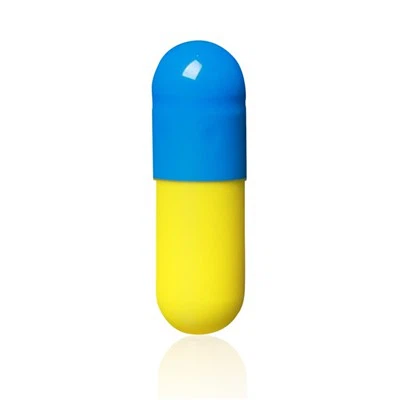
Understanding Enteric Coated Capsules
Enteric coated capsules are designed to pass through the stomach and dissolve in the small intestine. This is crucial for certain medications and supplements that may be damaged by the acidic environment of the stomach or need to be released at a specific location in the digestive tract. The coating acts as a protective barrier, ensuring that the contents of the capsule remain intact until they reach the appropriate environment for absorption.
Composition of Enteric Coatings
The coating on enteric coated capsules is typically made from a variety of polymers, each with its own unique properties and characteristics. Here are some of the most commonly used polymers in enteric coatings:
Cellulose Derivatives
- Hydroxypropyl Methylcellulose Phthalate (HPMCP): HPMCP is a widely used polymer in enteric coatings. It is soluble in alkaline media but insoluble in acidic media, making it ideal for protecting the capsule contents from the acidic environment of the stomach. HPMCP also has good film – forming properties, which allows it to form a smooth and uniform coating on the capsule.
- Cellulose Acetate Phthalate (CAP): CAP is another cellulose – based polymer used in enteric coatings. It has similar properties to HPMCP, being insoluble in acidic conditions and soluble in alkaline conditions. CAP is known for its high chemical stability and good adhesion to the capsule surface.
Methacrylic Acid Copolymers
- Eudragit® polymers: Eudragit® is a family of methacrylic acid copolymers that are commonly used in enteric coatings. These polymers are available in different grades, each with a specific pH – dependent solubility profile. For example, Eudragit® L polymers dissolve at a pH of around 6.0, while Eudragit® S polymers dissolve at a pH of around 7.0. This allows for precise control over the release of the capsule contents in the small intestine.
Shellac
Shellac is a natural resin secreted by the lac bug. It has been used as an enteric coating material for many years. Shellac is insoluble in acidic media and begins to dissolve at a pH of around 7.0. It is a relatively inexpensive and widely available coating material, but it may have some limitations in terms of its mechanical properties and stability.
Factors Affecting the Choice of Coating Material
When selecting a coating material for enteric coated capsules, several factors need to be considered:
pH – Dependent Solubility
The most important factor is the pH – dependent solubility of the coating material. The coating should remain intact in the acidic environment of the stomach (pH 1 – 3) and dissolve in the alkaline environment of the small intestine (pH 6 – 7.5). Different polymers have different pH thresholds for dissolution, and the choice of polymer depends on the specific requirements of the medication or supplement.
Compatibility with the Capsule Contents
The coating material must be compatible with the contents of the capsule. Some medications or supplements may interact with the coating material, leading to changes in the stability or efficacy of the product. For example, certain drugs may react with the coating polymers, resulting in the formation of insoluble complexes or the degradation of the active ingredient.
Mechanical Properties
The coating should have good mechanical properties to withstand the handling and processing steps during capsule manufacturing. It should be able to adhere well to the capsule surface and resist cracking or peeling. The mechanical properties of the coating can be affected by factors such as the thickness of the coating, the drying conditions, and the presence of plasticizers.
Regulatory Considerations
The coating material must comply with relevant regulatory requirements. In the pharmaceutical industry, coatings are subject to strict quality control and safety standards. The use of certain polymers may be restricted or require approval from regulatory authorities.
Manufacturing Process of Enteric Coated Capsules
The manufacturing process of enteric coated capsules involves several steps:
Capsule Preparation
The first step is to prepare the capsules. This involves filling the capsules with the desired medication or supplement. The capsules can be made from various materials, such as gelatin or vegetarian alternatives like hydroxypropyl methylcellulose (HPMC).
Coating Application
The enteric coating is applied to the capsules using a coating machine. The coating solution, which contains the polymer and other additives, is sprayed onto the rotating capsules. The capsules are then dried to remove the solvent and form a solid coating. The thickness of the coating can be controlled by adjusting the amount of coating solution applied and the number of coating passes.
Quality Control
After the coating process, the capsules are subjected to quality control tests to ensure that the coating meets the required specifications. These tests may include visual inspection, dissolution testing, and measurement of the coating thickness.
Benefits of Enteric Coated Capsules
Enteric coated capsules offer several benefits for both patients and manufacturers:
Protection of the Active Ingredient
The enteric coating protects the active ingredient from the acidic environment of the stomach, preventing degradation and ensuring that the medication or supplement reaches the small intestine intact. This can improve the bioavailability and efficacy of the product.
Targeted Release
Enteric coated capsules allow for targeted release of the active ingredient in the small intestine. This is particularly important for medications that need to be absorbed in the small intestine or for supplements that are sensitive to the acidic environment of the stomach.
Improved Patient Compliance
Enteric coated capsules can improve patient compliance by reducing the risk of stomach irritation and side effects. Some medications may cause nausea, vomiting, or other gastrointestinal problems when taken in uncoated form. The enteric coating helps to minimize these side effects.
Why Choose Our Enteric Coated Capsules

As a supplier of enteric coated capsules, we take pride in offering high – quality products that meet the strictest industry standards. Our capsules are made from the finest materials and are coated with carefully selected polymers to ensure optimal performance.
- Quality Assurance: We have a rigorous quality control system in place to ensure that our capsules meet the highest standards of quality and safety. Our manufacturing facilities are equipped with state – of – the – art equipment and are operated by a team of experienced professionals.
- Customization: We understand that different customers have different requirements. That’s why we offer customized solutions for enteric coated capsules. Whether you need a specific coating thickness, a particular polymer, or a unique formulation, we can work with you to meet your needs.
- Technical Support: Our team of experts is available to provide technical support and advice throughout the entire process, from product development to production. We can help you select the most suitable coating material, optimize the coating process, and troubleshoot any issues that may arise.
Gelatin Capsules If you are interested in purchasing enteric coated capsules for your pharmaceutical or nutraceutical products, we invite you to contact us for a consultation. Our team will be happy to discuss your requirements and provide you with a detailed quote. We look forward to working with you to develop high – quality enteric coated capsules that meet your specific needs.
References
- Leong, K. W., & Wang, Y. (2012). Oral drug delivery: Challenges and opportunities. Advanced Drug Delivery Reviews, 64(6), 544 – 556.
- Siepmann, J., & Peppas, N. A. (2011). Modeling of drug release from delivery systems based on hydroxypropyl methylcellulose (HPMC). Advanced Drug Delivery Reviews, 63(15), 1274 – 1286.
- McGinity, J. W., & Felton, L. A. (2011). Aqueous Polymeric Coatings for Pharmaceutical Dosage Forms. Informa Healthcare.
Hubei Kornnac Pharmaceutical Co., Ltd.
Hubei Kornnac Pharmaceutical Co., Ltd. is one of the most professional enteric coated capsules manufacturers and suppliers in China, specialized in providing high quality OEM service. Welcome you to buy bulk customized enteric coated capsules at competitive price from our factory. Also, samples are available.
Address: No.439 Hebei Avenue, Chibi, Hubei Province, 437300, China.
E-mail: service@kornnaccaps.com
WebSite: https://www.kornnaccaps.com/
