As a seasoned supplier of Rubycell Materials, I’ve witnessed firsthand the remarkable versatility and potential of these innovative substances. Rubycell Materials, known for their unique cellular structure and high-performance properties, have found applications in a wide range of industries. One of the most intriguing aspects of Rubycell Materials is their interaction with various chemicals. In this blog, I’ll delve into the science behind these interactions, explore their implications for different sectors, and highlight how they can benefit your business. Rubycell Materials
Understanding the Basics of Rubycell Materials
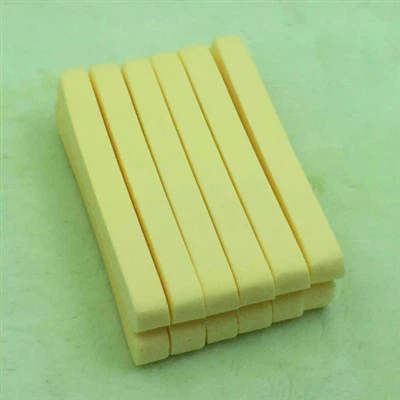
Before we dive into the chemical interactions, let’s briefly review what makes Rubycell Materials so special. These materials are engineered to have a cellular or porous structure, which gives them a high surface – to – volume ratio. This characteristic is crucial as it allows for a greater area of contact with chemicals, enhancing the potential for various types of interactions.
Rubycell Materials are often made from polymers or composites, which can be customized to have specific physical and chemical properties. For instance, they can be designed to be hydrophobic or hydrophilic, resistant to certain chemicals, or have specific absorption capacities.
Chemical Interactions: Absorption and Adsorption
One of the most common ways Rubycell Materials interact with chemicals is through absorption and adsorption. Absorption occurs when a chemical is taken up into the internal structure of the material. The porous nature of Rubycell Materials provides numerous pathways and spaces for chemicals to penetrate.
For example, in environmental applications, Rubycell Materials can be used to absorb oil spills. The hydrophobic nature of some types of Rubycell polymers allows them to attract and soak up oil molecules while repelling water. This selective absorption can be highly efficient, as the large surface area of the material increases the contact between the oil and the polymer, leading to a faster and more thorough cleanup process.
Adsorption, on the other hand, is the adhesion of chemicals to the surface of the Rubycell Material. This is often a result of physical or chemical forces, such as van der Waals forces or electrostatic interactions. In industrial filtration applications, Rubycell Materials can adsorb contaminants from gases or liquids. For instance, activated carbon – based Rubycell filters can effectively adsorb volatile organic compounds (VOCs) from industrial exhausts. The porous structure of the activated carbon provides a large surface area for the VOC molecules to adhere to, removing them from the gas stream.
Chemical Reactions with Rubycell Materials
In some cases, Rubycell Materials can participate in chemical reactions with other substances. This is particularly relevant in applications where the material is used as a catalyst support or a reactive component.
For example, in the field of heterogeneous catalysis, Rubycell Materials can serve as a support for catalyst particles. The high surface area of the Rubycell structure provides a large number of sites for the catalyst to be deposited, increasing the exposure of the reactants to the active catalyst surface. This can enhance the reaction rate and selectivity of chemical processes. In a hydrogenation reaction, a metal catalyst supported on a Rubycell polymer can facilitate the addition of hydrogen to unsaturated organic compounds, converting them into more saturated and useful products.
Rubycell Materials can also be designed to be reactive themselves. For instance, some polymer – based Rubycell Materials can undergo chemical reactions with specific functional groups in chemicals. In water treatment applications, a Rubycell polymer with reactive amino groups can react with heavy metal ions, such as copper or lead, in the water. This reaction can form stable complexes, effectively removing the heavy metals from the water.
Compatibility with Different Chemical Environments
The ability of Rubycell Materials to interact with chemicals also depends on their compatibility with different chemical environments. Some Rubycell Materials are highly resistant to harsh chemicals, making them suitable for use in industries where exposure to corrosive substances is common.
For example, in the chemical processing industry, Rubycell Materials made from fluoropolymers are often used. Fluoropolymers have excellent chemical resistance due to the strong carbon – fluorine bonds in their structure. They can withstand contact with acids, bases, and many organic solvents without significant degradation. This makes them ideal for applications such as lining chemical storage tanks or as components in chemical pumps and valves.
However, not all Rubycell Materials are compatible with every chemical. Some polymers may be susceptible to swelling or dissolution when exposed to certain solvents. It is essential to carefully select the appropriate Rubycell Material based on the specific chemical environment in which it will be used.
Applications in Various Industries
The unique chemical interactions of Rubycell Materials have led to their widespread use in many industries.
Healthcare
In the healthcare industry, Rubycell Materials are used in drug delivery systems. The porous structure of these materials can be loaded with drugs, and their interaction with the surrounding biological fluids can control the release rate of the drugs. For example, a biodegradable Rubycell polymer can be designed to release a drug over a specific period as it degrades in the body, providing a sustained and controlled therapeutic effect.
Electronics
In the electronics industry, Rubycell Materials are used for encapsulation and insulation. Their ability to interact with chemicals in the form of moisture absorption can prevent the ingress of water vapor, which can damage electronic components. Additionally, some Rubycell polymers can have electrical properties that make them suitable for use as dielectric materials in capacitors and other electronic devices.
Construction
In construction, Rubycell Materials can be used as additives in concrete or coatings. Their interaction with chemicals in the concrete mixture can improve the workability, strength, and durability of the concrete. For example, a Rubycell polymer can react with the cementitious components in concrete, forming a more compact and resistant structure. In coatings, the material can adsorb and react with oxygen and water, providing corrosion protection for metal surfaces.
Benefits for Your Business
Partnering with us as a supplier of Rubycell Materials can bring significant benefits to your business. Firstly, the versatility of these materials means that they can be tailored to meet your specific requirements. Whether you need a material for chemical resistance, absorption, or catalysis, we can work with you to develop a customized solution.
Secondly, the high – performance nature of Rubycell Materials can lead to cost savings in the long run. For example, in filtration applications, their high efficiency in removing contaminants means that less frequent filter replacements are needed. In chemical processing, the use of Rubycell – supported catalysts can improve reaction yields and reduce the consumption of raw materials.
Finally, by using Rubycell Materials, you can enhance the environmental friendliness of your products and processes. For example, in waste management, the use of these materials for oil spill cleanup or heavy metal removal can contribute to a cleaner environment.

If you’re interested in incorporating Rubycell Materials into your products or processes, I encourage you to reach out to us for a detailed discussion. Our team of experts is ready to help you understand how these materials can interact with the chemicals relevant to your business and develop the most suitable solutions. Contact us to start a conversation about your procurement needs and see how Rubycell Materials can be a game – changer for your company.
References
Latex Makeup Sponges -"A Guide to Porous Polymers and Their Applications" – Wiley Publishing
-"Industrial Catalysis: A Practical Approach" – CRC Press
-"Materials Science in Healthcare Technologies" – Springer
Guangzhou Aoli Beauty Cosmetics Co., Ltd.
Address: No.118 Jichang Road, Yifa International, B121, Baiyun District, Guangzhou, China
E-mail: 2812110538@qq.com
WebSite: https://www.aoliybeauty.com/
