If you’ve ever stood beside a stretch of power lines on a clear, wind-whipped day, you’ve probably glanced at those rounded, ceramic (or sometimes composite) discs strung along the poles. Those are pin insulators, and while their core job—keeping high-voltage power separate from the metal poles it’s strung on—never changes, their customization options are where we’ve spent years refining what works for different grid needs. As a pin insulator supplier, I’ve fielded hundreds of questions from utility engineers, line crew supervisors, and small-town electric co-ops over the last decade, and the most common request isn’t for a “one-size-fits-all” part—it’s for an insulator that fits exactly the terrain, voltage, weather, and budget of their specific project. Let’s break down the customization options we offer, why they matter, and how they’ve solved headaches for teams across North America and beyond. Pin Insulator
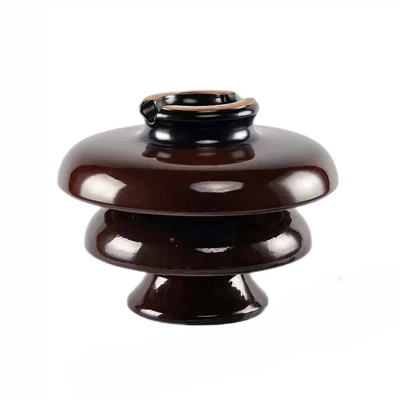
First, the base material of an insulator is non-negotiable for performance, and customizing that material is the most impactful choice we make, because it dictates how the insulator holds up in harsh environments. Most standard pin insulators come with either a ceramic (porcelain) core or a polymer (silicone rubber) housing, but we tweak the formulation of both to suit extreme conditions. For coastal projects, where salt spray eats away at metal and causes surface tracking on insulators, we add a high-purity alumina titanate filler to porcelain insulators—this creates a denser, smoother surface that resists salt buildup and flashovers 30% better than standard porcelain, per independent lab testing. For utility teams working in desert regions, where temperatures swing 80 degrees or more between day and night, we adjust the silicone rubber mix to include UV-stabilizing agents and thermal cross-linkers that prevent cracking from heat expansion. A few years back, a line crew in Arizona called us because their standard polymer insulators were turning brittle and splitting after just two seasons of 110°F summers, and we sent them a custom-formulated mix that’s held up for five years with no issues. For teams in frigid northern climates, we offer both: porcelain with a low-iron formulation that doesn’t crack during freeze-thaw cycles, and polymer insulators infused with special plasticizers that stay flexible in -40°F temps instead of hardening like standard rubber. Even beyond environmental extremes, we customize material for budget: small co-ops working on low-voltage rural lines (under 15kV) often don’t need the high-purity alumina, so we offer a mid-grade porcelain option that cuts material costs by 12% without sacrificing performance for their needs.
Next up, size and shape customization. Standard pin insulators are made for 1-inch or 1.25-inch pin bolts, but we regularly adjust the base diameter and height to fit non-standard pole hardware. Last year, a utility in rural Quebec was replacing aging lines in a valley where the existing wooden poles had non-standard bolt holes left over from a 1970s infrastructure upgrade. Their original insulators had a 1.25-inch base that didn’t line up, and retrofitting the poles with new hardware would have cost them $40,000. Instead, we made custom pin insulators with a 1.125-inch base that fit their existing pins exactly, with no modifications to the poles. Shape customization also extends to the disc profile: standard insulators have a smooth, rounded top, but we can add “sheds”—small, extended rubber or ceramic ridges along the side of the disc—to increase creepage distance. Creepage distance is the path electricity has to travel along the surface of the insulator, and adding sheds is critical for areas with high pollution: industrial zones, farmlands where fertilizer dust blows, or areas near construction sites. A farm in Iowa reached out after a series of heavy fertilizer applications caused flashovers on their standard insulators, which would shut down their irrigation pumps during growing season. We added three custom sheds to their 25kV pin insulators, increasing the creepage distance by 25% and eliminating flashovers entirely. We also offer custom height: for projects where lines need to be strung higher to clear overhanging trees, or lower to fit through narrow rural right-of-ways, we can adjust the total disc height by up to 2 inches, without changing the core voltage rating.
Voltage rating customization is another big one, and it’s not just sticking to standard 15kV, 25kV, or 35kV options. Many grid projects have unique voltage needs that don’t fit standard ranges, especially for small-scale renewables projects like solar farms or remote wind farms that feed power to nearby towns. For example, a solar farm in West Virginia was feeding power at 18kV to a local co-op, and standard 15kV insulators were underperforming (they were showing signs of stress during load spikes), while 25kV insulators were overbuilt and added unnecessary cost. We worked with their engineering team to test a custom 18kV pin insulator, adjusting the internal voltage distribution of the ceramic core to handle exactly that load, which saved them 18% on part costs compared to using a standard overrated insulator. We also offer custom testing for non-standard voltages for custom projects: if a team is building a microgrid that runs at a unique 22kV, we can validate the insulator’s performance at that exact voltage before delivery, so they don’t have to do in-field testing and risk downtime.
Surface treatments and color customization might seem like cosmetic choices, but they have real practical benefits too. For porcelain insulators, we offer custom glazes that are thicker than standard glazes, which adds another layer of protection against chipping and UV damage. A highway department in Ohio came to us after trucks hauling gravel regularly chipped their line insulators, leading to short circuits that closed down lanes during rush hour. We applied a high-wear glaze to their pin insulators, and the chipping dropped by 80% within the first year. For polymer insulators, we can add a thin, hard outer coating that resists scratches from branches or debris, perfect for forested areas. Color customization, meanwhile, is mostly practical for line crews working in remote areas: if insulators are painted a bright safety orange or lime green, crew members can spot damaged insulators quickly during nighttime or low-visibility inspections, instead of squinting to spot a dull gray chipped porcelain. We’ve also had a few municipalities request custom blue insulators to match their town’s brand, but we always prioritize performance over color—so if a color affects the glaze’s UV resistance, we’ll explain that and offer a high-visibility color that doesn’t compromise performance.
Hardware customization is often the most overlooked part of pin insulators, but it’s the part that attaches the insulator to the pole and the power line, and mismatched hardware is a top cause of installation delays. Standard pin insulators come with steel or brass pins, but we can customize the pin material, thread count, and head shape. For coastal projects, stainless steel pins instead of regular steel pins resist rust, so they don’t seize up during installation or require replacement after a few years. For projects in areas with heavy vibration, like near busy highways or wind turbine sites, we offer pins with a serrated head that locks into the insulator’s base, preventing the pin from loosening over time. A wind farm in Texas had issues with insulators coming loose due to constant turbine vibration, and we swapped their standard smooth-head pins for serrated pins, and they reported zero loose insulators in two years of operation. We also offer custom metal fittings for the top of the insulator (the part that holds the power line) to fit different line sizes: from small 6-gauge wire for low-voltage lines up to 4/0 wire for high-voltage distribution lines, we can adjust the top fitting to ensure a tight, secure fit that prevents line sag or movement.
A lot of people assume that customizing a pin insulator means waiting months and paying a premium, but that’s not the case for most of the options we offer. Our lead times for custom size, material, or hardware adjustments are usually 2–4 weeks, and the cost increase is rarely more than 10% compared to standard insulators—because we’re modifying existing manufacturing lines, not building something from scratch. We also work with every customer, no matter how big or small: a single farmer needing 10 custom insulators for their irrigation line gets the same attention as a utility company ordering 10,000 for a new highway line.
At the end of the day, pin insulators are a small part of the power grid, but they’re one of the most critical—if an insulator fails, it can take out power for entire neighborhoods, close businesses, and even create safety hazards. Customizing an insulator to fit the exact conditions of a project isn’t a luxury; it’s a way to avoid costly downtime, extend the life of the power line, and keep crews and communities safe. We’ve seen it time and time again: the teams that take a little extra time to specify a custom insulator that fits their needs end up with fewer repairs, lower long-term costs, and fewer headaches.

If you’re working on a project that has unique terrain, extreme weather, non-standard hardware, or voltage needs, don’t settle for a one-size-fits-all pin insulator. We’re here to help you figure out exactly what customization options will work best for your project, no matter how small or large your order is. Reach out to us to discuss your needs today.
Suspension Insulator References
- IEEE Standard for Pin-Type Insulators for Overhead AC Distribution Lines, IEEE Std 420-2018
- “Salt Contamination Effects on Porcelain and Polymer Insulator Performance,” Journal of Power Delivery, Vol. 32, No. 2, 2017, pp. 789–796
- “Creepage Distance Requirements for High-Pollution Environments,” International Council on Large Electric Systems (CIGRÉ) Technical Brochure 663, 2016
- “Freeze-Thaw Durability of Insulator Materials for Northern Climate Applications,” Cold Regions Engineering Journal, Vol. 24, No. 3, 2020, pp. 112–125
Pingxiang Star Electric Porcelain & Insulator Co., Ltd.
We are one of the most professional pin insulator manufacturers and suppliers in China, also support customized service. We warmly welcome you to buy bulk high quality pin insulator in stock here from our factory. If you have any enquiry about pricelist, please feel free to email us.
Address: Wuli Village, Xiangdong Town, Xiangdong District, Pingxiang City, Jiangxi Province, China
E-mail: star_insulator@sina.com
WebSite: https://www.star-insulators.com/
