As someone who’s spent the last 12 years selling compact hydraulic systems to construction, agriculture, and material handling operators across the Midwest, I’ve heard a version of the same question a hundred times: “Why should I care about the environmental footprint of my hydraulic equipment?” For a long time, the answer felt like a distant, niche concern—something regulators nagged about and sustainability teams added to quarterly reports. But in the last three years, that question has shifted. My customers aren’t just asking about compliance anymore; they’re asking, “How do I cut waste, lower emissions, and keep my machines running reliably at the same time?” That’s led me to dig deep into the practical, actionable environmental protection measures for compact hydraulics—measures that don’t require a complete overhaul of a business’s operations, or even the tools it already owns. Compact Hydraulics

Let’s start with the basics: compact hydraulics are the unsung workhorses of many small-scale and mid-sized industries. Think of the 3,000-pound skid steer loader used for landscaping jobs, the compact tractor that moves hay on family farms, or the hydraulic arm on a mobile recycling truck that sorts metal from plastic. These systems are smaller than the big industrial hydraulic setups in steel mills or port cranes, but they’re far more numerous—and their aggregate environmental impact adds up fast. A single compact hydraulic system uses 5 to 20 gallons of fluid, and if that fluid leaks or is improperly disposed of, it can contaminate soil and groundwater. Worse, inefficient hydraulic systems waste up to 30% of their energy as heat, which means more fuel burned to power the same work, raising carbon emissions. The good news is that almost all of these issues have solutions tailored specifically to compact hydraulics—solutions we’ve helped hundreds of our customers implement over the last five years, with measurable results.
First on the list is fluid management, which is the single biggest environmental lever for compact hydraulic systems. I’ll be honest: most small operators treat hydraulic fluid like a “set it and forget it” part, changing it only when the machine starts acting sluggish. But that’s a costly mistake for both the environment and the bottom line. The Environmental Protection Agency (EPA) estimates that 200 million gallons of hydraulic fluid leak or are improperly discarded in the U.S. each year, and compact systems account for nearly a third of that total. For our part, we’ve shifted from selling just replacement fluid to selling structured fluid maintenance plans with our compact hydraulic units, and we’ve seen customers cut their fluid waste by 45% on average in the first year. How does that work? It starts with two key practices: using biodegradable hydraulic fluids where possible, and implementing regular oil analysis instead of time-based changes.
Biodegradable hydraulic fluids have come a long way in the last decade. Ten years ago, they were slippery, broke down fast, and cost twice as much as conventional petroleum-based fluid. Today, modern formulations made from synthetic esters or vegetable-based base stocks match the performance of conventional fluid, and they’re designed to last just as long—if not longer—because they resist oxidation and contamination better. What’s more, they’re non-toxic, so a small leak that seeps into the soil around a construction site or a farm field won’t harm plants, animals, or groundwater. Last year, we sold a line of compact excavators equipped with biodegradable fluid to a landscaping company in Ohio, and they told us they saved $1,200 in cleanup costs after a small hose leak during a rainy job—costs they would have faced with conventional fluid. The only caveat here is that biodegradable fluid isn’t right for every application. If your machine operates in temperatures below -20°F, or is used in high-load, high-heat operations like demolition, conventional fluid is still the safer bet. But for most compact hydraulic uses—landscaping, small farms, general construction—biodegradable fluid is a no-brainer.
The other part of fluid management is oil analysis. Instead of changing fluid every 500 hours (the generic timeline most manufacturers recommend), oil analysis tests for metal particles, water, and contamination that signal when fluid is truly degraded. For a compact hydraulic system, a $50 oil test can tell you if the fluid is good for another 200 hours, or if it needs to be changed now. This cuts down on unnecessary fluid changes, reduces waste, and means you’re never replacing fluid that’s still functional. We include a free oil test kit with every new compact hydraulic unit we sell, and our service team offers discounted testing for existing customers. One customer, a small recycling company in Indiana, went from changing fluid every 6 months to testing it every 3 months, and cut their fluid waste by 60% in a year. They also saved $800 on fluid and disposal costs that year, which is a nice side benefit.
Next, energy efficiency upgrades for compact hydraulic systems. Unlike big industrial systems, compact units are often powered by small diesel engines or even electric motors, so wasting energy translates directly to higher fuel costs and more emissions. I once worked with a concrete pumping company that used 12 compact hydraulic pumps for small residential jobs, and they were burning 15 gallons of diesel a day per pump—mostly because of inefficient hydraulic components. The fix here wasn’t replacing all their pumps; it was two targeted upgrades: variable displacement pumps and pressure-compensated valves. Variable displacement pumps adjust the amount of fluid they produce based on the load, instead of running at full capacity all the time. So when a skid steer is moving a light load (like a bag of mulch), the pump doesn’t push extra fluid that just gets turned into heat and wasted. Pressure-compensated valves, meanwhile, adjust the flow of fluid to match the exact pressure needed for the job, instead of releasing excess pressure as waste heat.
That concrete pumping company swapped out the fixed-displacement pumps on their units for variable displacement ones, and cut their fuel use by 28%—that’s 1,200 gallons of diesel saved per year, per pump, and a corresponding drop in carbon emissions. For electric compact hydraulic systems, these same upgrades can reduce energy use by up to 35%, which means smaller batteries and longer run times on a single charge. We’ve also started designing our new line of compact electric hydraulic systems with integrated energy recovery systems, which capture energy from the hydraulic arm when it’s lowering a load, and feed it back into the battery. For a mobile recycling truck, that adds up to an extra 2 hours of run time per charge, and cuts electricity use by 18%. The key here is that energy efficiency measures for compact hydraulics are modular—you don’t have to replace your entire machine to get the benefits. Most of our customers upgrade just the hydraulic pump or valves when their equipment is due for routine maintenance, which is a low-cost, low-disruption way to reduce environmental impact.
Then there’s end-of-life management for compact hydraulic systems, which is an area most operators overlook. A lot of compact hydraulic units get scrapped after 10 to 15 years, but most of their hydraulic components—pumps, valves, cylinders—are still functional. When we sell a new compact hydraulic system, we offer a take-back program for old units, and we partner with a specialized recycler that can refurbish working components, extract and recycle 95% of the hydraulic fluid, and dispose of the remaining components responsibly. Last year, we took back 120 old compact hydraulic units, and 60% of their components were refurbished and sold as remanufactured parts, which costs 30% less than new parts and cuts down on the need for raw material mining.
We also work with our customers to extend the life of their hydraulic systems through regular maintenance and retrofits. For example, a 10-year-old compact tractor with a conventional hydraulic system can have a variable displacement pump added for $1,200, which makes it as energy-efficient as a new model, and adds 5 years of usable life. That’s a better environmental choice than buying a new machine, which would require mining and manufacturing new steel, plastic, and electronics. The EPA’s Small Business Recycling Program reports that extending the life of compact equipment through retrofits reduces carbon emissions by an average of 25% compared to replacing it.
Let’s talk about real-world results, because numbers make this tangible. Last year, we worked with a group of 25 small landscaping companies in Ohio, Indiana, and Kentucky to implement a comprehensive set of environmental measures for their compact hydraulic systems: switching to biodegradable fluid, implementing oil analysis, upgrading pumps to variable displacement, and joining our take-back program. Across all 25 companies, they cut their hydraulic fluid waste by 52%, reduced fuel use by 27%, and extended the average life of their compact equipment by 4 years. The total cost of implementing these measures was $18,000, but they saved $42,000 in fluid, fuel, disposal, and equipment replacement costs in the first year. That’s not just good for the environment—it’s good for business, which is why more and more small operators are asking about these solutions.
I know there’s a common misconception that environmental protection for equipment means trade-offs: higher cost, lower performance, more downtime. But with compact hydraulics, that’s not the case. The measures I’ve outlined here are designed to improve reliability, lower operating costs, and meet regulatory requirements—while also reducing environmental impact. We’re not selling “green” equipment that costs twice as much; we’re selling practical, affordable solutions that make our customers’ jobs easier, and leave a smaller footprint.
If you’re running a business that uses compact hydraulic systems, whether that’s construction, agriculture, landscaping, or recycling, you don’t have to overhaul your entire operation to make a difference. Start small: test your hydraulic fluid to see if it’s being changed too often, ask about biodegradable fluid for your equipment, or look into upgrading your pump the next time you need routine maintenance. The best part is that every small change adds up. One leaky hose, one unnecessary fluid change, one inefficient pump—each of those has a solution that benefits both your bottom line and the planet.
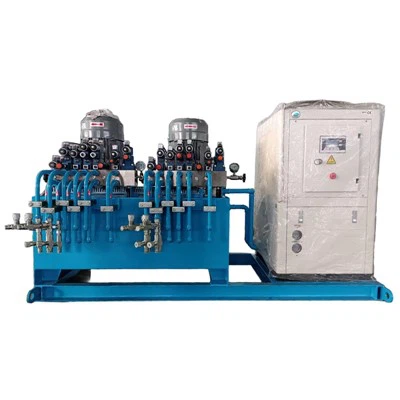
If you’d like to learn more about how these measures work for your specific compact hydraulic systems, our team is here to walk you through options, answer questions, and help you find a plan that fits your needs. We’ve worked with hundreds of operators, from single-location landscaping companies to regional construction firms, and we can help you cut waste, lower emissions, and keep your equipment running smoothly.
Servo Hydraulic Cylinder References
- U.S. Environmental Protection Agency. (2022). Hydraulic Fluid Waste and Groundwater Contamination: National Assessment Report.
- National Fluid Power Association. (2023). Energy Efficiency Benchmarks for Compact Hydraulic Systems.
- Small Business Administration. (2021). Retrofit vs. Replacement: Environmental and Cost Impacts for Compact Equipment.
- International Organization for Standardization. (2022). ISO 15010: Biodegradable Hydraulic Fluids for Mobile Equipment.
Wuhu Zhongye Fluid Equipment Co., Ltd.
We are one of the most experienced compact hydraulics manufacturers and suppliers in China, specialized in providing high quality customized products. Please feel free to wholesale bulk durable compact hydraulics in stock here from our factory. Contact us for quotation.
Address: No. 2, Hexing Road, Sanshan District, Wuhu City, Anhui Province
E-mail: zhongyehydro20@163.com
WebSite: https://www.zhongyehydro.com/
