If you’ve ever spent a weekend inflating a batch of commercial inflatable balls for a school fundraiser, community sports day, or promotional event, you know the letdown of tearing them down and staring at a pile of wrinkled, deflated spheres when the work is done. As an inflatable ball supplier who’s fielded thousands of questions from event organizers, facility managers, and casual buyers over the past decade, I can tell you that improper storage is the number one reason these bouncy, versatile tools turn brittle, develop slow leaks, or get ruined long before their projected lifespan. Most people treat deflated balls like a soft, disposable item, but the right storage habits can stretch your inventory’s life by years—and save you a ton of money on replacements in the process. Inflatable Ball
Let’s start with the basics that many people skip entirely: before you even think about tucking them away, you need to prep the balls for storage. It sounds simple, but rushing this step is where mistakes happen. First, always wipe the exterior and interior if the ball is designed to hold air (most standard inflatable balls are). Sweat, grass stains, dirt from playgrounds or event floors, and even residual soap from post-event cleaning can leave abrasive particles that, when the ball is compressed in storage, will rub against the material and cause micro-scratches. Over time, those scratches grow into larger tears or weaken the surface, leading to leaks. For rubber or PVC balls, a solution of mild dish soap and warm water works perfectly; for the vinyl-coated fabric balls we supply for outdoor events, a gentle, all-purpose cleaner is ideal. Never use harsh chemicals like bleach or ammonia—they eat away at the material’s protective coating, making it prone to cracking in cold or dry storage.
Then there’s drying. Even a tiny bit of trapped moisture inside a deflated ball is a ticking time bomb. Mold and mildew thrive in dark, enclosed spaces, and once they set in, they’re impossible to fully remove without damaging the ball’s surface. I’ve seen clients store a batch of beach balls in a garage after a family barbecue, only to pull them out two months later to find fuzzy green patches that turned the smooth material rough and sticky. To avoid this, after cleaning, let each ball air dry completely in a well-ventilated area, away from direct sunlight. How long? For small 6-inch playground balls, 12 hours is enough; for larger 30-inch promotional inflatables, give them 24 to 48 hours, and even then, gently pat the interior with a clean towel to make sure no damp spots are hidden in seams or valve areas.
Next, deflation. This isn’t just “squeezing the air out”—it’s a step that prevents unnecessary stress on the ball’s structure. Overinflated or even moderately inflated balls held for storage will develop permanent creases around seams and the valve area that become weak points when you re-inflate them later. When deflating, press the sides of the ball gently toward the valve to expel air slowly, rather than pinching the valve and letting it burst out. For high-performance air balls used in competitive sports, a small trick we recommend is to slightly over-deflate them: squeeze out almost all air, leaving only enough to keep the material from folding too tightly. That way, the seams stay aligned, and the ball doesn’t develop deep creases that will break down the material over time. Also, never force a ball to deflate by poking or squeezing too hard around the valve—you can damage the valve seal, which leads to slow leaks the next time you use it.
Now, the storage space itself. Most people default to shoving deflated balls into a closet, a garage corner, or a pile in the back of a shed—but that’s a recipe for disaster. The ideal storage spot is cool, dry, dark, and free of sharp objects, extreme temperatures, and chemical fumes. Let’s break down each factor:
Temperature: Fluctuations in heat and cold are one of the biggest threats to inflatable materials. PVC and rubber balls become brittle in temperatures below 50 degrees Fahrenheit, and vinyl can crack when frozen. In temperatures above 90 degrees, the plasticizers that keep the material flexible start to break down, leading to sticky, discolored surfaces that tear easily. So skip the uninsulated garage in winter, or the attic that heats up to 120 degrees in summer. If you don’t have a climate-controlled indoor space, a covered, elevated area (like a shelf above the floor in a utility room) is better than the ground-level garage, but only if you can regulate the temperature as much as possible.
Humidity: High humidity isn’t just bad for moisture trapped in the ball—it also speeds up chemical breakdown of the material. A basement with 70% humidity or higher is a no-go, unless you use desiccants to absorb excess moisture. A small bag of silica gel packets (the kind you get with new shoes or electronics) works perfectly—we even include a few in every bulk order we ship, specifically for storage use. Tuck a few into the bag or container with your stored balls, and they’ll keep the air dry and prevent mold growth.
Light: Sunlight, even indirect light through a window, emits UV rays that break down the material’s molecular structure over time. You might not notice it after a few months, but stored balls left on a patio or near a south-facing window will become faded, stiff, and prone to tearing within a year. Always store inflatable balls in a completely dark space—closed cabinets, plastic storage bins with tight lids, or fabric storage bags made from breathable, light-blocking material.
Sharp objects: I can’t tell you how many times a client has called us to replace a set of balls ruined by a stray nail, a sharp tool, or even a set of keys stored in the same bin. Deflated balls are soft, so they’re easy to puncture even with small, seemingly harmless objects. Before storing, clear your chosen space of any sharp items, and if you’re using a storage bin, line the bottom with a soft towel or a sheet of fabric to create a protective layer. If you’re stacking multiple balls, don’t stack heavy items on top of them—another common mistake. A box of books or a tool chest sitting on a pile of deflated balls will squeeze them, stretch the seams, and cause permanent damage.
Now, how to store the balls once you’ve prepped the space. For small to medium balls (up to 20 inches, like playground balls or mini promotional balls), the best method is to roll them tightly. Not fold them, not crumple them—roll. Folding creates deep creases that weaken the material, while rolling maintains even pressure across the surface. Here’s how: start at one end of the deflated ball, roll it toward the valve, keeping the roll tight but not so tight that you stretch the material. Once rolled, tuck the valve end into the center of the roll to keep it from unrolling, then place the entire roll into a breathable fabric bag. Avoid plastic bags—they trap moisture, even if the balls were fully dry, and can cause mold to grow over time.
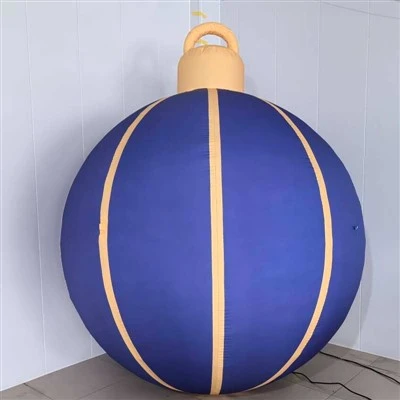
For larger balls (24 inches and up, like promotional event inflatables or sports training balls), rolling isn’t always feasible, and folding is risky if done wrong. The trick here is to fold the ball along its natural seams—most inflatable balls have a clear equator line where the two halves are joined. Fold the ball in half along that line first, then fold it in half again, so you end up with a compact square that fits neatly in a storage bin. Never fold the ball diagonally across the middle, which will pull on the seams and create uneven stress. Once folded, place it in a large, rigid storage bin with a tight lid, lined with a soft cloth, and separate it from other folded balls with a layer of fabric so they don’t rub against each other and cause surface scratches.
A pro tip from our team of product managers: label each storage container with the type of ball, the size, and the date you stored it. This might seem trivial, but it saves you the hassle of digging through a bin of 15 identical 12-inch promotional balls when you need a specific set for an event. It also helps you track which balls are oldest, so you can use the ones nearing the end of their lifespan first, rather than letting them sit in storage until they’re ruined.
Now, what about common storage mistakes that even experienced buyers make? Let’s address a few:
First, don’t store balls in the original retail packaging for long periods. Those thin plastic bags are designed for display, not long-term storage. They don’t block UV light, trap moisture, and can tear easily in storage. If you’re keeping balls in their original packaging, transfer them to a proper storage bag or bin after a month or two.
Second, don’t leave valves open for long-term storage. It might seem like a good idea to leave the valve open so any trapped air can escape, but leaving the valve open exposes the inner lining of the ball to dust and debris, and can cause the valve itself to dry out and fail. Always close the valve tightly after deflating and drying the ball.
Third, don’t mix different types of materials in the same storage space. For example, rubber playground balls and vinyl promotional balls have different chemical compositions. Storing them together means the rubber will transfer oils to the vinyl, making it sticky and discolored over time. Separate them into different bags or bins.
As an inflatable ball supplier, we’ve tested all these methods ourselves with our inventory, and we’ve shared these tips with hundreds of clients who’ve cut their replacement costs by 40% or more. A local youth sports league we work with used to store their team’s set of balls in a damp basement, and they’d replace 10 to 15 balls a year. After implementing the storage methods we outlined here, they’ve only replaced two balls in the past two years—all from accidental punctures on the field, not storage damage.
If you’re a facility manager looking to cut inventory costs, an event planner preparing for back-to-back promotions, or a business owner who uses inflatable balls for marketing, proper storage is one of the easiest, most cost-effective ways to extend your investment. We offer a range of inflatable ball sizes and materials designed for both indoor and outdoor use, all tested to withstand long storage when cared for correctly.
If you’re interested in bulk orders of inflatable balls, or have questions about storage solutions tailored to your specific inventory needs, please reach out to our team for a personalized consultation. We’re here to help you keep your inflatable balls in top shape, whether they’re in use or stored for your next big event.
Inflatable Advertising References:
- ASTM International. (2021). Standard Specification for Inflatable Playground Balls. ASTM F2159-21.
- Vinyl Institute. (2020). Storage Guidelines for Vinyl Coated Products. Vinyl Industry Association.
- National Sporting Goods Association. (2019). Care and Maintenance of Recreational Inflatables. NSGA Equipment Care Report.
- Rubber Manufacturers Association. (2018). Proper Deflation and Storage of Rubber Inflatable Products. RMA Technical Bulletin.
Yantai Deco Inflatable Co., Ltd.
We are one of the most experienced inflatable ball manufacturers and suppliers in China. With a professional production team, we are able to meet the needs of the majority of our customers. Please feel free to buy customized inflatable ball made in China here from our factory.
Address: No.5, Binglun Western Road, Yantai City, Shandong Province, China
E-mail: sales01@hiinflatable.com
WebSite: https://www.decoinflatable.com/
