Fisher Pilot Operated Regulators are renowned for their high – performance and reliability in various industrial applications. As a dedicated supplier of these regulators, it is crucial for me to share with you a comprehensive guide on how to replace the spare parts of Fisher Pilot Operated Regulators. This process not only ensures the continued smooth operation of the regulator but also extends its lifespan, thereby enhancing the overall efficiency of your system. Fisher Pilot Operated Regulator

Preparation Before Replacement
Before embarking on the replacement of spare parts, it is essential to take certain preparatory steps. First and foremost, make sure to shut down the system properly. This involves isolating the regulator from the process flow by closing the relevant valves. Safety is of utmost importance during this procedure, so wearing appropriate personal protective equipment (PPE) such as gloves, safety glasses, and protective clothing is a must.
Next, gather all the necessary tools. For Fisher Pilot Operated Regulators, the common tools required include wrenches of different sizes, screwdrivers, and possibly a torque wrench. The torque wrench is particularly important for ensuring that the bolts and nuts are tightened to the correct specifications as stipulated by the manufacturer.
Also, obtain the correct spare parts. As a supplier, I have access to a wide range of authentic Fisher spare parts. These parts are designed to fit precisely with the regulators and are made of high – quality materials to guarantee long – term performance. It’s important to note that using non – genuine parts can lead to sub – optimal performance and potentially damage the regulator.
Removing the Old Parts
The first part that usually needs attention in the Fisher Pilot Operated Regulator is the valve cover. To remove it, start by using a wrench to carefully loosen the bolts around the cover. Make sure to keep track of the bolts and their positions, as they need to be reinstalled correctly later. Once all the bolts are removed, gently lift the valve cover off. This will expose the internal components of the regulator.
The next step is to locate the diaphragm. In Fisher Pilot Operated Regulators, the diaphragm plays a crucial role in controlling the pressure. Use a screwdriver to carefully remove the clips or screws that hold the diaphragm in place. Be extremely gentle during this process to avoid damaging the diaphragm or any other surrounding components. After the clips or screws are removed, lift out the old diaphragm.
If the springs need to be replaced, identify the spring retainers. Use wrenches to loosen and remove the retainers. The springs should then be carefully removed, taking note of their orientation and size. Springs are calibrated to provide specific pressure settings, so it’s vital to ensure that the correct replacement springs are used.
Installing the New Parts
Once the old parts are removed, it’s time to install the new ones. Begin with the diaphragm. Place the new diaphragm in the correct position, ensuring that it aligns perfectly with the mounting holes. Use the clips or screws to fasten the diaphragm securely. Make sure that the diaphragm is not wrinkled or misaligned, as this can affect the regulator’s performance.
Next, install the springs. Place the springs in the same orientation as the old ones. Use the spring retainers to hold the springs in place and tighten them using a wrench. It’s important to use a torque wrench to ensure that the retainers are tightened to the manufacturer’s specified torque value. This will prevent over – or under – tightening, which can lead to issues such as leaks or improper pressure regulation.
After the diaphragm and springs are installed, it’s time to put the valve cover back on. Align the valve cover with the regulator body and insert the bolts. Tighten the bolts gradually and evenly in a criss – cross pattern to ensure a proper seal. Once again, use a torque wrench to achieve the correct tightening torque.
Testing the Replaced Parts
After the new parts are installed, it is crucial to conduct a thorough test of the regulator. This involves slowly opening the valves to re – introduce the process fluid. Monitor the pressure gauges closely to ensure that the regulator is maintaining the correct pressure. Check for any signs of leaks around the valve cover, diaphragm, or other connections. Leaks can be detected by visual inspection or by using a leak – detection solution.
If the pressure is not within the desired range, it may be necessary to make some adjustments. This could involve tweaking the spring settings or checking the alignment of the diaphragm. As a supplier, I can provide additional guidance on how to make these adjustments based on the specific model of the Fisher Pilot Operated Regulator.
Maintenance Tips After Replacement
Once the spare parts replacement and testing are successful, it’s important to establish a regular maintenance schedule. Regular inspection of the regulator can help detect any potential issues before they become major problems. Check the diaphragm for signs of wear and tear, and ensure that the springs are still in good condition.
Keep the regulator clean by removing any dirt or debris that may accumulate on its surface. This can be done using a soft brush or compressed air. Also, make sure to lubricate the moving parts as recommended by the manufacturer.
Conclusion
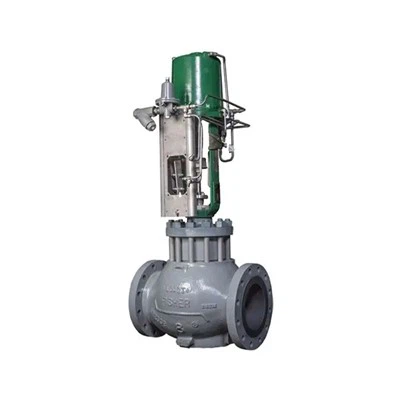
Replacing the spare parts of Fisher Pilot Operated Regulators is a process that requires careful preparation, proper tools, and attention to detail. By following the steps outlined in this guide, you can ensure that the replacement is carried out safely and effectively, thereby maintaining the optimal performance of your regulator.
Fisher Valve Parts As a trusted supplier of Fisher Pilot Operated Regulators and their spare parts, I am committed to providing high – quality products and excellent customer service. If you have any questions about spare parts replacement or if you are interested in purchasing Fisher Pilot Operated Regulators or their spare parts, I invite you to contact me for procurement and further discussion.
References
- Fisher Technical Manuals
- Industry standards for pressure regulator maintenance and repair
- Manufacturer’s guidelines for Fisher Pilot Operated Regulators
Century Weiye (Dalian) Control Equipment Co., Ltd.
As one of the leading fisher pilot operated regulator manufacturers and suppliers in China, we warmly welcome you to buy discount fisher pilot operated regulator in stock here from our factory. If you have any enquiry about quotation, please feel free to email us. Quality products and reasonable price are available.
Address: 2205, Building 8, Red Star International, Ganjingzi District, Dalian City, Liaoning Province
E-mail: serena@valvesjwy.com
WebSite: https://www.valve-sjwy.com/
