Can Aluminum Diisobutylphosphinate be used in electronic products?
As a supplier of Aluminum Diisobutylphosphinate, I’ve been frequently asked about its applicability in electronic products. This question is not only relevant to our business but also crucial for the development of the electronics industry. In this blog, I’ll delve into the properties of Aluminum Diisobutylphosphinate and explore its potential use in electronic products. Aluminum Diisobutylphosphinate
Understanding Aluminum Diisobutylphosphinate
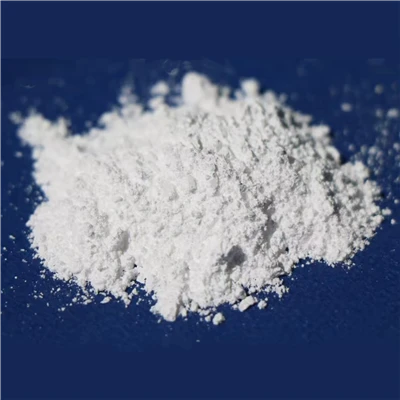
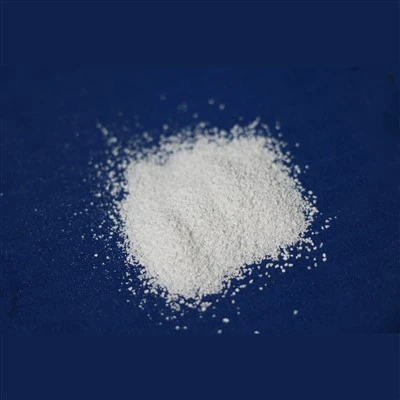
Aluminum Diisobutylphosphinate, also known as ADDP, is a white powder with the chemical formula [Al(H₂PO₂)₃]. It is a halogen – free flame retardant that has gained significant attention in recent years. The key advantage of ADDP is its excellent flame – retardant performance. It works by releasing a phosphorous – containing compound when exposed to high temperatures, which forms a protective layer on the surface of the material, thus preventing the spread of fire.
In addition to its flame – retardant property, ADDP has good thermal stability. It can withstand high temperatures without significant decomposition, which is essential for applications in electronic products that often generate heat during operation. Moreover, it is relatively non – toxic compared to some traditional flame retardants, making it more environmentally friendly.
Requirements for Flame Retardants in Electronic Products
Electronic products are ubiquitous in our daily lives, from smartphones and laptops to large – scale industrial equipment. Safety is a top priority when it comes to these devices, and one of the critical aspects of safety is fire prevention. Therefore, flame retardants are commonly used in the manufacturing of electronic products.
The ideal flame retardant for electronic products should meet several requirements. Firstly, it must have high flame – retardant efficiency. Even a small amount of the flame retardant should be able to effectively reduce the flammability of the material. Secondly, it should have good compatibility with the base materials used in electronics, such as plastics, resins, and polymers. Poor compatibility can lead to issues like phase separation and reduced mechanical properties of the final product.
Thermal stability is also crucial. Electronic devices generate heat during normal operation, and the flame retardant should not decompose or lose its effectiveness at elevated temperatures. Additionally, environmental friendliness is becoming increasingly important. With growing concerns about environmental pollution and human health, halogen – free flame retardants are preferred over halogen – based ones.
Potential of Aluminum Diisobutylphosphinate in Electronic Products
Flame – Retardant Performance
ADDP has shown excellent flame – retardant performance in various tests. When added to polymers commonly used in electronic product casings, such as polycarbonate (PC) and acrylonitrile – butadiene – styrene (ABS), it can significantly improve the flame – retardant rating of the material. For example, it can help these polymers achieve a UL94 V – 0 rating, which is a high – level flame – retardant standard widely recognized in the electronics industry. This means that in case of a fire, the material will self – extinguish quickly and prevent the spread of flames, reducing the risk of damage to the electronic device and potential harm to users.
Compatibility
ADDP has good compatibility with many polymers used in electronics. It can be easily incorporated into the polymer matrix during the manufacturing process, without causing significant changes to the mechanical and physical properties of the material. For instance, when blended with PC/ABS alloys, it does not significantly affect the impact strength, tensile strength, or other mechanical properties of the alloy. This is important because maintaining the mechanical integrity of the electronic product casing is essential for its long – term use and durability.
Thermal Stability
The high thermal stability of ADDP makes it suitable for use in electronic products. Electronic components generate heat, and the temperature inside the device can rise significantly during operation. ADDP can withstand these high temperatures without decomposing or releasing harmful substances. This ensures that the flame – retardant effect remains intact throughout the lifespan of the electronic product.
Environmental Friendliness
As mentioned earlier, ADDP is a halogen – free flame retardant. Halogen – based flame retardants, such as brominated and chlorinated compounds, have been associated with environmental and health issues. They can release toxic and persistent organic pollutants when burned or disposed of. In contrast, ADDP is more environmentally friendly and complies with the increasing number of environmental regulations, such as the Restriction of Hazardous Substances (RoHS) directive in the European Union. This makes it an attractive option for electronic product manufacturers who are committed to sustainable and green manufacturing practices.
Challenges and Considerations
While Aluminum Diisobutylphosphinate has great potential in electronic products, there are also some challenges and considerations.
Cost
The cost of ADDP is relatively higher compared to some traditional flame retardants. This can be a deterrent for some manufacturers, especially those in highly price – competitive markets. However, as the demand for safer and more environmentally friendly products increases, the cost – performance ratio of ADDP is becoming more favorable. In the long run, the use of ADDP can reduce the risk of product recalls and liability issues related to fire safety, which may offset the initial higher cost.
Processing Conditions
The processing conditions for incorporating ADDP into polymers need to be carefully controlled. Improper processing can lead to issues such as agglomeration of the ADDP particles, which can affect the flame – retardant performance and the mechanical properties of the final product. Manufacturers need to optimize the processing parameters, such as temperature, mixing speed, and time, to ensure the uniform dispersion of ADDP in the polymer matrix.
Conclusion
In conclusion, Aluminum Diisobutylphosphinate has significant potential for use in electronic products. Its excellent flame – retardant performance, good compatibility with polymers, high thermal stability, and environmental friendliness make it a promising candidate for the electronics industry. Although there are some challenges such as cost and processing conditions, the benefits of using ADDP outweigh the drawbacks, especially in the context of increasing safety and environmental requirements.
Flame Retardants If you are an electronic product manufacturer or distributor interested in using Aluminum Diisobutylphosphinate in your products, I encourage you to contact me for further discussion. We can explore how our high – quality ADDP can meet your specific needs and help you produce safer and more environmentally friendly electronic products.
References
- "Flame Retardancy of Polymers: Principles and Practice" by Horrocks, A. and Price, D. (2012).
- "Handbook of Flame Retardants" by Weil, E. and Levchik, S. (2004).
- "Recent Developments in Halogen – Free Flame Retardants for Polymers" in Polymer Degradation and Stability journal, several issues over the past decade.
Hebei Xinxinyuan Energy Co., Ltd.
Hebei Xinxinyuan Energy Co., Ltd. is one of the most professional aluminum diisobutylphosphinate manufacturers and suppliers in China, featured by quality products and good price. Please rest assured to wholesale customized aluminum diisobutylphosphinate made in China here from our factory.
Address: Zhongjie Industrial Park, Huanghua City, Cangzhou City, Hebei Province, China
E-mail: atl2066@qq.com
WebSite: https://www.xinxinyuanfr.com/
