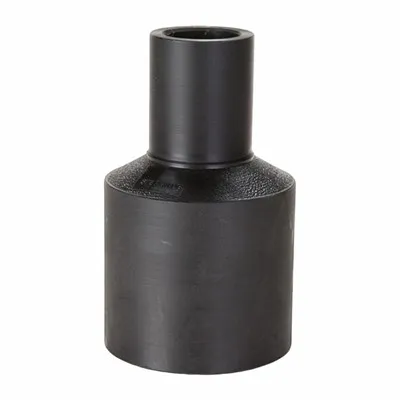
ASTM IPS Inch Butt Fusion Fittings are essential components in various piping systems, offering reliable and durable connections. As a supplier of these fittings, I understand the importance of proper installation to ensure the optimal performance and longevity of the piping network. In this blog post, I will share the installation guidelines for ASTM IPS Inch Butt Fusion Fittings, covering everything from preparation to the final inspection. ASTM IPS Inch Butt Fusion Fittings
Pre – installation Preparation
1. Familiarize with the Standards
Before starting the installation, it is crucial to be well – versed in the ASTM standards relevant to the IPS Inch Butt Fusion Fittings. ASTM (American Society for Testing and Materials) has established a series of specifications that define the quality, dimensions, and performance requirements of these fittings. By adhering to these standards, you can ensure that the installation meets the industry – recognized benchmarks.
2. Site Inspection
Conduct a thorough site inspection to identify any potential hazards or challenges. Check the terrain where the piping will be installed, looking for obstacles, uneven ground, or areas prone to flooding. Ensure that there is enough space for the installation equipment and personnel to operate safely. Also, verify the availability of the necessary utilities such as electricity and water for the fusion process.
3. Material Inspection
Inspect all the ASTM IPS Inch Butt Fusion Fittings and pipes before installation. Check for any visible defects such as cracks, scratches, or变形 on the fittings and pipes. Confirm that the sizes and types of the fittings match the project requirements. Make sure that the pipes and fittings are clean and free from dirt, grease, and other contaminants, as these can affect the fusion quality.
4. Equipment Preparation
Assemble and test all the necessary installation equipment. This includes the butt fusion machine, which should be calibrated according to the manufacturer’s instructions. Check the heating plates, clamps, and other components of the fusion machine for proper functioning. Have spare parts on – hand in case any equipment malfunctions during the installation process.
Pipe and Fitting Preparation
1. Cutting
Cut the pipes to the required lengths using a suitable pipe cutter. The cut should be perpendicular to the pipe axis to ensure a proper fit with the fittings. After cutting, use a deburring tool to remove any burrs or rough edges from the pipe ends. This will prevent interference during the fusion process and ensure a smooth joint.
2. Cleaning
Clean the pipe ends and the inside of the fittings thoroughly. Use a clean, dry cloth or a specialized cleaning solvent to remove any dirt, dust, or moisture. Pay special attention to the areas that will be in contact during the fusion, as even a small amount of contamination can weaken the joint.
3. Marking
Mark the insertion depth on the pipe. This can be done by referring to the manufacturer’s guidelines, which usually provide a recommended insertion distance for each fitting size. Marking the insertion depth helps ensure that the pipe is inserted correctly into the fitting during the fusion process.
Butt Fusion Process
1. Mounting the Pipes and Fittings
Place the pipes and fittings in the clamps of the butt fusion machine. Make sure that they are aligned properly and that the clamps hold them securely. The alignment should be accurate to ensure a uniform fusion joint.
2. Heating
Heat the pipe ends and the inside of the fittings using the pre – heated heating plates of the fusion machine. The heating temperature and time should be set according to the material type and size of the pipes and fittings. Refer to the ASTM standards and the manufacturer’s instructions for the correct heating parameters. During the heating process, keep a close eye on the pipes and fittings to ensure that the heating is uniform and that no overheating occurs.
3. Fusion
Once the heating time is complete, quickly remove the heating plates and bring the pipe and fitting together under the appropriate pressure. The pressure should be maintained for the recommended time to allow the melted materials to fuse together properly. The fusion process should be carried out smoothly and without any lateral movement to avoid a weak joint.
4. Cooling
After the fusion, allow the joint to cool naturally. Do not apply any external force or stress to the joint during the cooling period, as this can damage the newly formed joint. The cooling time also depends on the material and size of the pipes and fittings, and it is important to follow the specified cooling time to ensure the strength and integrity of the joint.
Post – installation Inspection
1. Visual Inspection
Conduct a visual inspection of all the fusion joints. Look for any signs of uneven fusion, such as gaps, bubbles, or excessive melt protrusion. Check the alignment of the pipes and fittings to ensure that they are in a straight line. Any visible defects should be noted and addressed immediately.
2. Pressure Testing
Perform a pressure test on the entire piping system. Fill the system with water or another suitable test fluid and gradually increase the pressure to the specified test pressure. Hold the pressure for a certain period and check for any leaks. If a leak is detected, locate the source and repair the joint as necessary.
3. Documentation
Document the installation process, including the dates, equipment used, fusion parameters, and the results of the inspections. This documentation can be used for future reference, quality control, and compliance with regulatory requirements.
Importance of Proper Installation
Proper installation of ASTM IPS Inch Butt Fusion Fittings is essential for several reasons. Firstly, it ensures the safety of the piping system. A well – installed fitting with a strong fusion joint can withstand the operating pressure and prevent leaks, which can be hazardous in applications involving flammable or toxic substances. Secondly, it improves the efficiency of the system. A properly installed pipe network reduces the resistance to fluid flow, resulting in lower energy consumption. Finally, it extends the service life of the piping system. By following the correct installation guidelines, the probability of premature failure of the fittings and pipes is significantly reduced.
Contact for Purchase and Installation Support
If you are in need of high – quality ASTM IPS Inch Butt Fusion Fittings, we are here to help. Our supply of these fittings is guaranteed to meet the strict ASTM standards, ensuring reliable and durable performance. Whether you are working on a small – scale project or a large – scale industrial installation, we can provide the right products for your needs.
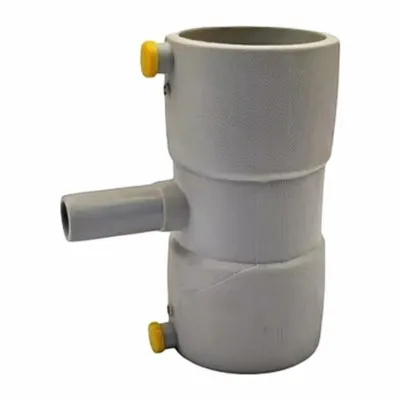
PPR Fittings If you have any questions about our products, installation guidelines, or if you would like to discuss a potential purchase, please feel free to reach out to us. We have a team of experienced professionals who can offer you detailed technical advice and support throughout your project.
References
- ASTM International standards relevant to IPS Inch Butt Fusion Fittings
- Manufacturer’s installation manuals for butt fusion machines and fittings
Qingdao Polyfusion Machinery Co., Ltd.
As one of the most professional ASTM IPS inch butt fusion fittings manufacturers and suppliers in China, we have world-leading production equipment and strong manufacturing capabilities. Please feel free to buy bulk high quality ASTM IPS inch butt fusion fittings from our factory.
Address: Chengyang Industry Zone, Chengyang, Qingdao, Shandong, China
E-mail: export01@qdpolyfusion.com
WebSite: https://www.polyfusionfittings.com/
