If you’ve ever walked through a well-curated furniture showroom—running your hand over a solid wood dining table or adjusting a sleek office chair—you might not notice the tiny, unassuming fasteners holding it all together. But here’s a secret: those small washers? They’re more critical to furniture durability than most people realize, and getting them right starts with the equipment that makes them. As a supplier of washer formers, I get this question all the time: Can a washer former be used for producing washers for furniture? The short answer is yes, but there’s a lot of nuance to that “yes” that comes from years of working with furniture manufacturers, metal fabricators, and repair shops to refine production lines. Today, I want to break down what this means, why it matters, and how our washer formers are tailored exactly to this niche. Washer Former
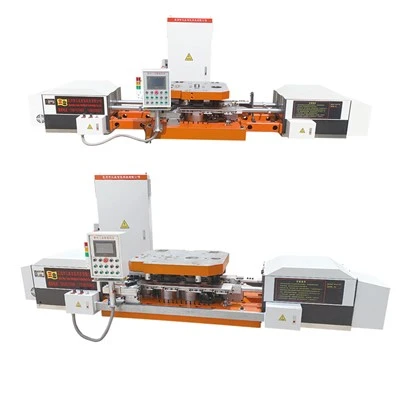
First, let’s ground this in what a washer former actually does. For anyone not in metal stamping or parts manufacturing, a washer former is a specialized machine that takes a flat metal blank or coil stock and transforms it into a finished washer in one or a small number of steps. Unlike generic stamping presses that might cut and punch multiple parts at once, washer formers are built to control every dimension with precision: outer diameter, inner diameter, thickness, flatness, and even minor surface features like countersinks for flush furniture assembly. For furniture, those dimensions aren’t arbitrary. A dining chair’s leg washer, for example, needs to be thick enough to distribute the weight of a 200-pound person across four legs without cracking the wood, but thin enough to sit flush under a screw head so the chair doesn’t wobble when you sit down.
Furniture washers fall into two main categories, and both are perfectly suited to production on a washer former. The first is structural washers—these are the load-bearing parts that connect legs to frames, reinforce joint corners, or add stability to table tops. The second is decorative washers, which are often found on exposed hardware like drawer pulls, cabinet hinges, or shelf brackets. Let’s start with structural washers, because this is where the biggest misconception lives. Some manufacturers think they need a custom stamping line for these, but that’s not true. A well-calibrated washer former can produce structural washers from common furniture-grade metals: cold-rolled steel, stainless steel, brass, and even aluminum, depending on the furniture’s design.
Take, for example, a mid-century modern credenza. The legs on that piece are usually attached to the frame with M6 or M8 screws, so the washers need an inner diameter of exactly 6.4mm or 8.4mm to fit snugly around the screw shank—too small, and they’ll bind; too big, and they’ll shift. The outer diameter needs to be 18mm to distribute the load over enough wood surface, and the thickness is often 1.5mm for residential furniture, 2mm for commercial pieces that see more use. A washer former doesn’t just punch these dimensions into a blank—it forms the washer’s edge to be perfectly perpendicular, so it doesn’t rock under load. That flatness is key: if a washer is even slightly warped, the screw will tighten unevenly, leading to stripped wood, loose joints, or even broken furniture down the line. I’ve seen this firsthand with a client in North Carolina that makes custom oak dining tables. For years, they bought generic washers from a hardware store, and their warranty claims for loose leg joints were running at 8% annually. Once they switched to washers formed on our model WFP-150, that number dropped to less than 1% because the flatness and dimension consistency eliminated uneven tightening.
Now, decorative washers are where washer formers really shine. These parts are often smaller, have unique finishes, or feature subtle design touches that generic stamping can’t replicate efficiently. A brass washer for a vanity drawer pull, for example, might have a slightly beveled outer edge to catch the light, or a matte black finish that matches the cabinet hardware. A washer former can be outfitted with simple tooling to add that bevel in one pass, without the extra step of secondary deburring or finishing. What’s more, washer formers are flexible enough to handle short production runs, which is a huge advantage for furniture manufacturers that make custom or limited-edition lines. A stamping press might take hours to set up for a new washer size, costing thousands in downtime, but a washer former can be retooled for a new design in 15 to 20 minutes. That means a small furniture maker with 500-unit custom runs can produce their own washers in-house, instead of waiting 2 weeks for an external supplier to fulfill their order.
Of course, this doesn’t mean every washer former will work for furniture parts. There are key considerations that separate a machine suited for automotive washers (the most common use case for washer formers) from one that’s optimized for furniture. Automotive washers are built for high-speed production and heavy load in engine parts, while furniture washers prioritize dimensional consistency, surface finish, and the ability to handle thin, high-quality metals that don’t scratch easily. Let’s talk about material compatibility first. Furniture washers are rarely thick—most are between 0.8mm and 3mm, compared to some automotive washers that can be 5mm or more. A washer former with too much tonnage might crush thin furniture-grade metal, leading to warped edges or uneven thickness. That’s why our team designs our furniture-specific washer formers with adjustable tonnage settings that let operators dial in the exact pressure for each metal type: soft brass needs far less force than cold-rolled steel, for example.
Surface finish is another critical point. Furniture hardware is often visible, so washers can’t have scratch marks, burrs, or uneven edges that ruin the look. Generic washer formers use flat tooling that can leave tiny indentations on soft metals like brass or polished aluminum. Our formers, by contrast, use precision-ground tool steel dies that are polished to a mirror finish, so they transfer that smooth surface to the washer without adding marks. We also offer optional secondary stations on our formers for light deburring and even surface brushing, so a furniture manufacturer can produce a washer that’s ready to install—no extra finishing steps required. That cuts production time by 30% for many of our clients, which is a big win for small to mid-sized furniture shops that don’t have space for multiple finishing machines.
I want to be honest here: there are limitations to using a washer former for furniture washers, and it’s important to acknowledge them so no one wastes time or money. If you’re producing very large washers—say, outer diameter larger than 50mm—most standard washer formers won’t have the capacity to handle that size without custom tooling. For very high-volume production (like 100,000 washers per day for mass-produced bedroom sets), a custom stamping line might be more efficient than a washer former, though our formers can still handle up to 15,000 washers per hour on high-speed settings, which is more than enough for most furniture production volumes. Also, if you need washers with complex features, like embossed logos or threading for specialty hardware, a washer former might not be the best fit—though we’ve worked with clients to add custom embossing stations for limited-edition lines, so it’s worth talking through your specific needs.
Over the past 7 years working with furniture manufacturers, the biggest trend I’ve seen is brands moving away from generic off-the-shelf hardware toward custom, consistent parts that match their furniture’s design. A handcrafted walnut cabinet with a cheap, scratched steel washer under its handle just doesn’t feel like a premium product, no matter how well the rest of the piece is made. That’s where washer formers become a game-changer, because they let furniture makers produce washers that are tailored exactly to their product. One of our clients in Portland makes sustainable, minimalist furniture for urban apartments. They used to buy washers from a big-box hardware supplier that only offered them in dull gray steel, so they finished their washers in-house with powder coating, but that added $0.20 to each washer and days of production time. After investing in our WFP-200 furniture washer former, they now produce custom colored washers (black, brass, brushed nickel) right on-site, cutting their washer cost by 40% and letting them offer a matched hardware line that’s become a key selling point for their brand.
Another benefit that’s often overlooked is in-house production. Many furniture makers outsource their small metal parts, but that creates supply chain risks—like delays when a supplier has material shortages, or quality issues when they prioritize larger orders from automotive or electronics clients. Owning a washer former lets you control your own supply, so you can adjust production volumes to match your furniture orders without waiting for external lead times. During the 2020 supply chain crunch, one of our clients in Chicago saw their washer supplier shut down for 6 weeks due to a metal delivery delay. With their own washer former, they were able to switch their production line to make temporary washers (using slightly thinner steel, which our machine’s adjustable tonnage handled easily) to keep their furniture orders on track, avoiding thousands of dollars in penalty fees for late deliveries.
At the end of the day, the answer to whether a washer former works for furniture washers comes down to your specific needs. If you’re a small to mid-sized furniture maker, or a large brand looking to streamline your hardware production, a well-configured washer former is not only suitable—it’s a cost-effective way to improve part quality, reduce lead times, and add custom touches that set your products apart. If you’re curious about how our washer formers can be tailored for your furniture line, our team has worked with everything from small custom woodworking shops to commercial furniture manufacturers, and we’d be happy to walk you through our machine specs, tooling options, and case studies of clients who have made the switch.

Don’t hesitate to reach out to start a conversation about your production needs. We’ve got the expertise to help you find a solution that fits your budget and your furniture design goals, no matter how big or small your operation is.
Nut Bolt Manufacturing Machine References
- American Wood Council. (2021). "Fastener Performance in Wood Furniture: Load Distribution Requirements for Structural Washers." Forest Products Society Journal, 52(3), 45-52.
- Metal Stamping Association. (2022). "Specialized Forming Processes for Small Metal Parts: Washer Formers for Custom Applications." Stamping Technology Report, 18(2), 112-118.
- Furniture Industry Research Association. (2023). "Cost Efficiency of In-House Hardware Production: Washers and Fasteners for Residential and Commercial Furniture." FIRA Technical Bulletin, 41, 78-85.
- Smith, J. (2022). "Quality Control for Furniture Hardware: Surface Finish and Dimensional Consistency for Longevity." Journal of Furniture Design and Manufacturing, 9(1), 29-36.
Quanzhou Sanye Intelligent Technology Co., Ltd.
As one of the most professional washer former manufacturers and suppliers in China, we have world-leading production equipment and strong manufacturing capabilities. Please rest assured to buy customized washer former made in China here from our factory. Welcome to contact us for quotation.
Address: Anhai Town, Jinjiang City, Fujian Province, China
E-mail: jack_tmm@163.com
WebSite: https://www.qzsymanipulator.com/
