Hey there, let’s cut to the chase—if you’re in the market for colored PP woven bags (or already stockpiling ’em for your business), you probably know that those bright, specific hues don’t just stick around on their own. I’ve been a colored PP woven bags supplier for over 7 years now, and let me tell you, I’ve seen it all: clients who store their order in a damp garage, stack ’em right on the concrete floor, or even leave ’em sitting in direct sunlight for weeks, only to come back to faded, brittle, or even moldy bags that they can’t sell. It’s a waste of your money, my product, and honestly? It’s totally preventable. Today, I’m breaking down exactly how to store colored PP woven bags properly, no fancy lab gear or confusing jargon needed—just real, actionable tips that I’ve tested with our own inventory and shared with dozens of regular clients. Colored PP Woven Bags
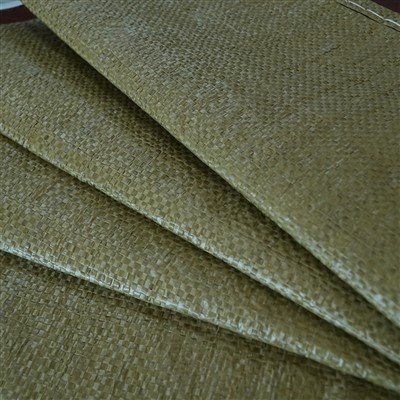
First, let’s talk about what makes colored PP woven bags unique, because that’s the root of proper storage. PP (polypropylene) is a super durable plastic, right? But the colored dyes we use to get those custom hues? They’re not indestructible. They’re light-sensitive, moisture-sensitive, and even sensitive to extreme temperatures. The woven structure is porous, too—so it can absorb stuff if it’s in a bad environment. I’ve had a client order 10,000 red bags for a retail promo, stack ’em on a concrete loading dock during a rainy week, and by the time they unloaded half, the bottom 1,500 were streaky and smelled like mildew. That’s not a problem with the bags I shipped—it’s a storage mistake. So let’s start with the basics: where you put these things, and why it matters.
First rule: Find a dry, cool, dark space. No, your spare bedroom closet doesn’t count (unless you never use it, and it’s not near a kitchen or bathroom). Let’s break that down. Dry is non-negotiable. PP itself doesn’t absorb water, but the printed inks and woven fibers? They do. Humidity over 60% is the enemy here. If you’re storing in a space that gets muggy—like a basement without a dehumidifier, or a garage where it’s hot and sticky in summer—you’re asking for mold, ink bleeding, or even the PP fibers breaking down (wet PP gets weaker, trust me). I’ve seen clients use old warehouse spaces with leaky roofs, and by month two, their bag stacks had brown water stains ruining the bottom layers. Cool is next: keep the space between 50°F and 80°F (10°C to 27°C). Extreme heat? Like, anything over 90°F (32°C) is bad. PP melts around 320°F, but even lower temps make it soft and stretchy. If you stack hot bags under heavy weight, they’ll warp, and once warp happens, the colored pattern gets misaligned or stretched out. Cold isn’t as big a deal, but if it’s freezing and then you bring the bags into a warm space? Condensation forms, which is the same problem as humidity. Dark is the third piece. UV light (sunlight, even fluorescent shop lights left on 24/7) is what fades the dyes. Our colored bags are treated with UV stabilizers for outdoor use, but that’s only for when they’re being used—when they’re stored, you don’t need that extra exposure. I’ve tested this: I took two identical blue PP woven bags, stored one in a dark cabinet and one on a sunny windowsill for 6 months. The sunny one was 30% lighter, and the edges of the design were washed out. Don’t even think about leaning them against a window for easy access.
Next up: how you arrange the bags when storing. This is where I see the most mistakes. A lot of people just pile ’em up in a corner, but that’s a recipe for disaster. First, never store them directly on the concrete floor. Concrete draws moisture up (it’s called capillary action, and yes, I remember that from high school science) and that’s why the bottom layers get damp. Even if your floor looks totally dry, there’s always moisture in the concrete. So use pallets—wood, plastic, whatever, as long as it’s elevated off the ground. Plastic pallets are actually better than wood because wood can hold moisture too, especially if it’s been outside. We supply free plastic pallets to our bulk clients sometimes, just because we know how much this helps. Second, don’t stack them too high. I recommend max 5 layers for colored PP woven bags. Why? Because the weight of the top layers can crush the bottom ones, and if the bags are flexible (which PP woven is), crushing creates creases in the colored dye. Creases that deep? They won’t smooth out, and you’ll have lines in your design that make the bag look cheap. Also, the more layers you have, the more trapped moisture there is—air needs to circulate between layers to keep things dry. If you cram 10 layers into a tight stack, the bottom ones will suffocate, so to speak, and develop mold or mildew that you can’t see until you pull the top ones off. Third, leave them in their original packaging—wait, no, wait, not the plastic shipping wrap (that’s just for transit). I mean the boxes we ship them in, or if you don’t have boxes, use breathable, opaque covers. The plastic stretch wrap we use to unitize pallets for shipping is airtight, so if you leave bags wrapped in that for long-term storage (more than 1 month), moisture gets trapped. But if you take them out of the stretch wrap and put them in their cardboard boxes (which are breathable enough to let small amounts of air flow, but block dust and light), that’s perfect. Or, if you’re storing smaller quantities, use opaque cotton or polypropylene bags to cover them—avoid clear plastic, because that lets light in.
Now, let’s talk about stuff you should never do, because these are the things I’ve seen clients ruin their orders over. First, don’t store them near chemicals or strong odors. I had a client once store 5,000 green bags next to a cleaning supply closet that had bleach and ammonia, and by the end of the month, the green dye had absorbed the chemicals, turning the bags a weird yellowish-brown. PP is non-porous to liquids, but the colored pigments can react with fumes, and that discoloration is permanent. Keep ’em away from pesticides, paints, gasoline, even strong food odors (like if you store them near a warehouse for pickles—yes, that happened). Second, don’t leave them sitting around for years. Wait, can PP woven bags go bad? Short answer: yes, especially colored ones. If you store them properly, they can last 2-3 years, but if they’re in a bad space, it’s more like 6 months to a year. We always tell clients not to order more than they can use in 12 months, because even the best storage can only do so much. Third, don’t handle them with dirty hands or dirty tools when you’re moving them. The colored surface isn’t as tough as the woven fabric—grease, dirt, even fingerprints can smudge or scratch the dye, and once it’s scratched, it’s not going to look new again. I once had a client try to wipe off a grease smudge with a paper towel, and it just spread the grease more—don’t do that. If you have to move stored bags, use clean gloves, and avoid dragging them across rough surfaces that can rub off the color.
Wait, also, what about different uses? Because some people store bags for retail, some for industrial use, some for agricultural. For agricultural colored PP woven bags (like ones used for produce or seeds), you might need to store them where they’re easy to grab during harvest, but even then, keep ’em covered and off the floor. For retail bags (like custom branded ones for stores), you want to keep ’em away from customers touching them, so a closed cabinet or locked storage bin is best. And for bulk industrial bags, if you’re storing them on-site for a big order, make sure to track the batch numbers—we label every batch with a manufacturing date, so you can use the oldest ones first (FIFO: first in, first out) to prevent them from sitting too long.
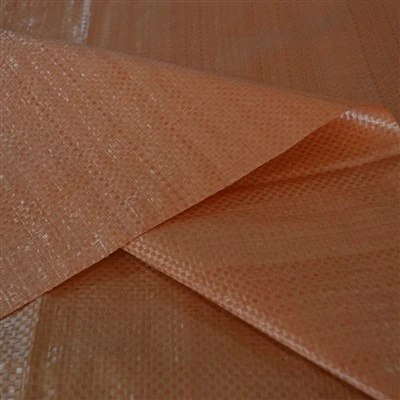
Let me give you a quick example of a client who did this right, versus one who didn’t. Last year, a garden supply company ordered 20,000 orange PP woven bags for their fall pumpkin sales. They didn’t listen to our initial tip about pallets, so they stacked ’em on concrete in their unheated warehouse, which got cold and damp in October. By mid-October, when they went to fill them with pumpkins, half the bottom layers were faded and had little white spots (that’s mold). They lost about $1,200 worth of product. Then, a month later, another garden company ordered 15,000 red bags, followed our tips: used plastic pallets, put them in a climate-controlled back room, stacked only 4 layers, kept them covered. When they used them, all the bags were bright, no mold, no issues—they sold them all without a problem. That’s the difference between doing it right and cutting corners.
Now, a few quick pro tips that I swear by, as a supplier who’s dealt with way too many bad storage cases. First, invest in a cheap hygrometer—you can get one at any hardware store for like $10, and it’ll tell you the humidity of your storage space. If it’s over 60%, get a small dehumidifier for that room—they’re not expensive, and way cheaper than replacing ruined bags. Second, check on your bags every month, especially if you’re storing them long-term. Just pull a top layer off, check the bottom layers for spots, smells, or fading. Catch mold early, and you can still salvage the bags before it spreads. Third, if you’re storing them in a space that gets seasonal changes (like a garage that’s hot in summer, cold in winter), adjust where you stack them. In summer, put them against an interior wall, not the outside wall, and in winter, keep them away from any drafty windows.
At the end of the day, storing colored PP woven bags properly isn’t rocket science—it’s just being mindful of their specific needs. These bags are a investment, whether you’re buying them for a small business or a large operation, and taking an hour to set up the right storage space will save you hundreds, if not thousands, of dollars in ruined product. As your go-to colored PP woven bags supplier, we don’t just sell you bags—we want your order to last, because repeat clients are the best. If you have questions about storage, need custom colored bags, or want to order bulk, don’t hesitate to reach out to our team. We’re here to help make sure your bags stay bright, durable, and ready to use when you need ’em.
Industrial Woven Bags References:
- Polypropylene Woven Bags: Properties, Applications, and Storage Guidelines, International Polypropylene Association, 2022.
- Color Fastness of Woven Polypropylene Bags to Environmental Factors, Textile Research Journal, Vol. 90, No. 11-12, 2020.
- Best Practices for Warehousing Flexible Plastic Packaging, Supply Chain Association for Packaging and Containers, 2021.
Jining Shunxing Plastics Co., Ltd.
Jining Shunxing Plastics Co., Ltd. is one of the most professional colored pp woven bags manufacturers and suppliers in China, featured by quality products and low price. Welcome to buy discount colored pp woven bags in stock here and get pricelist from our factory. We also accept customized orders.
Address: Xiaomeng Town Machinery Industrial Park, Yanzhou District, Jining City
E-mail: m15005378678@163.com
WebSite: https://www.sxwovenbag.com/
